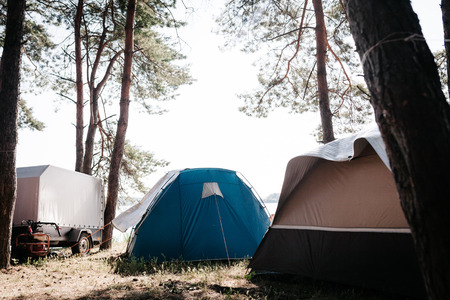
Understanding Welsh Weather and Terrain
If you’re preparing for a camping trip in one of the Welsh National Parks, it’s important to get to grips with the local weather patterns and landscape quirks before you even start packing. Wales is famous for its unpredictably wet and blustery climate, even during the height of summer. Rain can sweep across Snowdonia, Brecon Beacons, or Pembrokeshire Coast at a moment’s notice, often followed by bursts of sunshine or lingering mist. The temperature can also fluctuate rapidly—one minute you’ll be peeling off layers on a sun-drenched hillside, the next you’ll be zipping up your waterproof jacket against a sudden chill.
Equally significant are the terrain conditions you’ll encounter. The national parks offer everything from boggy moorlands and steep rocky paths to dense woodland and exposed coastal cliffs. Underfoot, trails can become slippery or muddy after rain (which is frequent), while strong winds are common on higher ground. These factors will directly influence your kit list: robust, waterproof gear isn’t just recommended—it’s essential. Local advice always leans towards packing with flexibility in mind: think quick-drying clothing, sturdy boots with good grip, and layered outfits that adapt to fast-changing conditions. Don’t underestimate the impact of Welsh landscapes on your camping experience; being well-prepared is key to making the most of your adventure.
Essential Kit for Every Camper
Packing for a Welsh National Park camping trip demands careful consideration, especially given the famously unpredictable British weather. Here’s a practical guide to the core items you’ll need—essentials every camper should have, with a nod to local recommendations and conditions.
Core Camping Equipment
| Item | Why It’s Essential | Local Tip |
|---|---|---|
| Tent | Your shelter from the elements; choose one rated for wind and rain. | Opt for a double-skinned tent—Welsh hills can get very gusty and damp at night. |
| Sleeping Bag & Mat | A decent sleeping bag (3-season or 4-season) keeps you warm; a mat insulates from cold ground. | Consider a down-filled bag if you camp outside of summer; nights in Snowdonia or Brecon Beacons can be chilly even in July. |
| Rucksack/Backpack | Keeps your kit organised and mobile. | Select one with a waterproof cover—sudden showers are common. |
| Torch/Headlamp | For navigating camp after dark. | Bring extra batteries—nights come early, especially outside midsummer. |
Packing the Right Clothing Layers
The secret to comfort in Wales is layering. The weather can swing from sunshine to drizzle in minutes, so prepare accordingly:
- Base Layer: Moisture-wicking tops and leggings to keep sweat off your skin.
- Mid Layer: Fleece or wool jumpers trap warmth without bulk.
- Outer Layer: A quality waterproof jacket and trousers are non-negotiable—go for breathable fabrics to avoid getting clammy during hikes.
- Socks & Footwear: Bring several pairs of hiking socks and sturdy, waterproof boots. Wet feet are no joke on Welsh trails.
Quick-Access Waterproofs
Packing a lightweight, packable rain poncho or jacket near the top of your bag is wise—showers can appear seemingly out of nowhere. A hat and gloves are also handy year-round: upland winds bite even in late spring.
Don’t Forget These Extras
- Packed Lunch Box & Flask: For hot tea or soup on misty mornings by the lake.
- Midge Repellent: Especially useful near water or in the woods during summer evenings.
- Duct Tape & Repair Kit: For unexpected rips or leaks—better safe than sorry!
The right kit makes all the difference between enduring and enjoying your Welsh camping adventure. Think ahead, pack smartly, and you’ll be ready for whatever the hills throw at you.
3. Navigating with Confidence
When camping in the Welsh National Parks, navigation is more than just a practical skill—its a vital part of enjoying the landscape safely and making the most of your adventure. The unpredictable weather in Wales and the remoteness of many trails mean that reliable navigation tools are essential. Local ramblers and seasoned hikers often swear by traditional methods combined with modern technology to ensure they stay on track.
Maps and OS Grid References
A proper Ordnance Survey (OS) map should be at the top of your packing list. The OS Explorer series, such as OL12 for Snowdonia or OL13 for Brecon Beacons, provides detailed topographical information and footpaths. Understanding OS grid references can make a significant difference if you need to communicate your location in an emergency—rescue teams use this system, so its worth brushing up before your trip.
Compasses: Trusty Classics
While it might seem old-fashioned, a good quality compass remains indispensable for navigating in low visibility or when GPS devices fail. Brands like Silva are favourites among local walkers. Take time to practise basic bearings and triangulation; these skills are still highly respected within the UK hiking community.
Digital Tools Favoured by Locals
Tech-savvy campers often supplement paper maps with digital tools. The OS Maps app allows you to download routes and access them offline—a smart move given patchy mobile reception in areas like the Preseli Hills. Apps like ViewRanger or Komoot are also popular, letting users track their walks, share routes, and even receive warnings about difficult terrain. However, locals advise always carrying physical backups as batteries run flat and signal can vanish unexpectedly.
By blending traditional navigation with digital aids, you’ll be well-prepared to explore Wales’ spectacular national parks confidently and safely.
4. Food, Drink, and Local Favourites
Packing food for a camping trip in the Welsh National Parks requires a balance between practicality, nutrition, and a bit of local flavour. A well-planned menu not only fuels your adventure but also adds to the overall enjoyment of your time outdoors. Below are some ideas and recommendations that blend British staples with Welsh specialities to keep you energised and satisfied.
Easy Camping Meal Ideas
When planning meals, simplicity is key. Pre-prepped ingredients and minimal-cook recipes save time and reduce washing up. Here are some tried-and-tested ideas:
- Breakfast: Porridge oats with dried fruit or local honey; Welsh cakes for a sweet start.
- Lunch: Cheese and chutney sandwiches using mature Welsh Cheddar; sausage rolls or Cornish pasties (widely available at British supermarkets).
- Dinner: Pre-cooked pasta with tinned tomatoes and smoked bacon (or veggie alternative); one-pot stews with local lamb or root vegetables.
British Trail Snacks
Sustaining energy on long hikes is essential. British walkers have their go-to snacks for the trail, many of which can be picked up en route to the park:
| Snack | Description | Why Pack It? |
|---|---|---|
| Flapjacks | Oaty traybake bars often with golden syrup and raisins. | Slow-release energy, doesn’t crumble easily in a backpack. |
| Pork Pies | Savoury pies filled with seasoned pork, best served cold. | Hearty snack with protein – classic British picnic fare. |
| Crisps | Bags of potato crisps in classic flavours like salt & vinegar or cheese & onion. | Lightweight, salty, and satisfying after a climb. |
| Fruit Pastilles or Wine Gums | Chelwy fruit-flavoured sweets beloved by UK hikers. | A quick sugar boost for tired legs. |
Recommended Welsh Treats
No visit to Wales is complete without sampling some regional favourites. Including these local treats in your kit not only supports small producers but also deepens your connection to place:
- Bara Brith: A rich tea loaf studded with dried fruits—delicious sliced thickly and spread with salted Welsh butter.
- Laverbread Oatcakes: Savoury oatcakes made with laver seaweed—a genuine taste of the Welsh coast.
- Welsh Cheese: Try Caerphilly or Y Fenni; both pair well with crusty bread or crackers for an easy lunch.
- Bottled Welsh Ale or Cider: Check local shops for craft brews from independent Welsh breweries—great to enjoy as the sun sets over the hills (within campsite regulations).
Handy Tips for Food Packing
- Choose reusable containers to cut down on waste—most sites in Wales encourage Leave No Trace principles.
- If wild camping, use a portable stove; open fires are generally discouraged to protect the environment.
- Treat yourself: pack a bar of dark chocolate or a bag of locally roasted coffee for those moments when you need a morale boost!
5. Wildlife, Countryside Code, and Respecting Local Communities
When preparing for a camping adventure in the Welsh National Parks, it’s vital to remember that you are a guest in both the landscape and the local community. Responsible camping is not just about what you pack, but how you behave. First and foremost, always follow the Countryside Code—this is a set of guidelines widely respected throughout the UK, encouraging visitors to respect other people, protect the natural environment, and enjoy the outdoors responsibly.
Understanding Local Rules and Access
Before setting out, check if your chosen site allows wild camping; much of Wales’ countryside is privately owned or managed by local farmers. Stick to designated campsites where possible, and if you’re considering pitching up elsewhere, always seek permission from landowners. The National Parks have clear signage about access rights, so pay close attention to these notices to avoid trespassing or disturbing farm operations.
Wildlife and Livestock Awareness
Wales is famous for its rolling hills dotted with sheep and cattle. While they may seem docile, livestock can be easily startled by unfamiliar sights or sounds. Always keep gates closed behind you, avoid chasing or feeding animals, and give wide berth to herds—especially during lambing season in spring. If travelling with dogs, keep them on leads at all times near livestock to prevent distress or injury.
Leaving No Trace
One of the core tenets of responsible camping in Wales is to leave no trace. Pack out everything you bring in: rubbish, food scraps, even biodegradable waste. Avoid lighting open fires unless permitted—use a portable stove instead—and never cut branches or disturb habitats for fuel or shelter.
Respecting Local Communities
The villages surrounding Welsh National Parks are tight-knit and proud of their heritage. Support local businesses when possible—buy supplies from village shops or visit community-run cafés. Keep noise levels low after dusk, park considerately in designated areas, and avoid blocking lanes used by farmers and residents. A little courtesy goes a long way in making your visit memorable for all the right reasons.
By packing thoughtfully and acting with consideration for wildlife, landowners, and communities, you help preserve the spirit of the Welsh countryside for generations of campers to come.
6. Optional Extras and Local Tips
If you’ve sorted your camping essentials, it’s time to consider a few optional extras that can make your Welsh National Parks adventure even more enjoyable. Suggestions from seasoned Welsh outdoor enthusiasts can be invaluable—these are the small things that don’t always make it onto packing lists but are often the difference between a good trip and a great one.
Midge Nets and Repellents
The lush valleys and lakesides of Wales are beautiful but can be notorious for midges, especially in the summer months. Packing a midge net and some effective repellent is highly recommended by locals. It’s not just comfort—it’s peace of mind when you’re trying to enjoy the sunset or an evening cup of tea outside your tent.
Wellies and Waterproofs
Even in the height of summer, Welsh weather is famously unpredictable. A pair of sturdy wellies (Wellington boots) and reliable waterproofs are considered must-haves by regular campers. Whether you’re trudging through dewy meadows in Snowdonia or dealing with a sudden downpour in the Brecon Beacons, you’ll thank yourself for bringing them along.
Local Pubs and Community Shops
Ask any Welsh camper, and they’ll recommend popping into a local pub after a long day’s hike. Not only will you find hearty food and local ales, but also friendly advice on walking routes and hidden gems. Community-run shops in rural villages are excellent for topping up supplies while supporting the local economy—don’t miss out on regional treats like bara brith or Welsh cakes.
Must-See Spots Recommended by Locals
- Llyn y Fan Fach: A mystical lake in the Brecon Beacons, steeped in legend and perfect for peaceful reflection.
- Beddgelert: This picturesque village in Snowdonia is ideal for riverside walks and sampling homemade ice cream.
- Pembrokeshire Coastal Path: Highly praised for breathtaking sea views and wildlife spotting opportunities.
Final Advice from Experienced Campers
Bring extra tent pegs for windy conditions, invest in a quality flask for hot drinks on chilly mornings, and always pack a paper OS map as phone signal can be patchy. Most importantly, embrace the unpredictability—Wales’ charm is often found in its wild weather, warm hospitality, and spectacular landscapes. Happy camping!