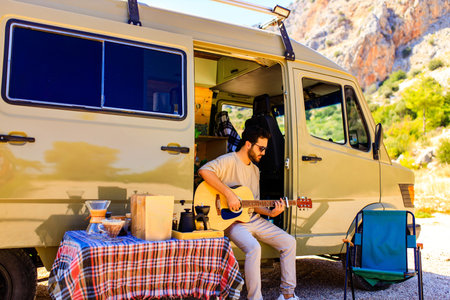
Introduction to Budget Campervan Travel in the UK
There’s a certain grit required for exploring Britain by campervan on a shoestring budget. The allure is undeniable: the freedom of the open road, misty mornings in secluded laybys, and rolling countryside stretching beyond the horizon. But let’s not sugar-coat it—travelling the UK this way means facing the hard realities head-on. The cost of campsites can quickly eat into your funds, and British weather tests even the most rugged spirits. Cultural expectations are another hurdle; locals may cast a wary eye at overnight park-ups, and wild camping legality is a grey area across much of England and Wales. Scotland offers more leeway under its outdoor access code, but elsewhere you’ll need to keep a low profile and show respect for both land and law. Despite these challenges, the rewards are immense: waking up in new landscapes every morning, forging your own path, and discovering the essence of Britain far from crowded city centres. For those undaunted by rough edges and ready to embrace resourcefulness, budget-friendly campervan travel isn’t just possible—it’s an adventure steeped in authenticity.
Essential Gear and Preparation for Cheap Overnights
If you’re chasing budget-friendly campervan stops across the UK, success hinges on being properly equipped. Life on a shoestring demands a tough mindset, tactical gear choices, and razor-sharp preparation. Here’s your survival blueprint to keep costs minimal without sacrificing comfort or safety.
Critical Kit: What You Can’t Go Without
| Item | Purpose | UK-Specific Tips |
|---|---|---|
| Insulated Sleeping Bag & Extra Blankets | Retain warmth during chilly British nights | Opt for at least a three-season bag; weather swings are common even in summer |
| Portable Gas Heater (with Carbon Monoxide Detector) | Efficient heat source when off-grid | Ensure compliance with UK safety standards—never skimp on detectors in confined spaces |
| Security Locks & Alarms | Deter theft in urban and rural lay-bys alike | Double-lock doors, use steering locks, and park under streetlights where possible |
| 5-10L Water Containers (Food Grade) | Sufficient fresh water for wild camping stops | Refill at public service stations or campsites—some UK petrol stations offer free tap water if you ask politely |
| 12V Power Bank & USB Chargers | Keep devices powered without campsite hook-ups | Avoid draining your starter battery; consider a solar panel for longer trips |
| Chemical Toilet or Compact Porta Potti | Avoids expensive campsite fees just for facilities | Dispose of waste responsibly at authorised UK chemical toilet points only |
| Bum Bag or Money Belt | Keep valuables secure while sleeping or exploring towns | Especially useful in busy city car parks and popular seaside spots like Cornwall and Brighton |
| Pegless Washing Line & Microfibre Towels | Fast-drying, space-saving hygiene kit essentials | The unpredictable British weather makes quick-drying solutions invaluable year-round |
| Basic Toolkit & Tyre Repair Kit | Tackle minor breakdowns without pricey garages | Potholes are notorious on rural roads; check tyres and tools before heading out each day |
| Bespoke App/Offline Maps (e.g., Park4Night, OS Maps) | Find legal stopovers and avoid fines from overnight parking bans | Pavement parking laws vary by council—check local signage and apps religiously to stay legit and cheap |
Tough-Living Tips: Maximise Comfort, Minimise Spend
- Cook Your Own Meals: Invest in a single-burner camping stove. Supermarket meal deals beat takeaways every time.
- Layer Up: The British climate is merciless. Multiple thin layers trap heat better than one thick jumper.
- No-Frills Showers: Use gym day passes or leisure centres instead of pricier campsite showers—some lorry stops also have affordable facilities.
- Sneaky Charging: Libraries, cafes, and even some supermarkets have plug sockets. Order a tea (it’s the British way) and top up your devices.
Technical Must-Haves to Keep Costs Down
- LPG Adapter Hose: Many budget-friendly sites only allow refillable bottles—standard exchange bottles can be costly and hard to find in remote areas.
- Thermal Blinds/Curtains: Keep the cold out and privacy up. Double as blackout blinds for stealth city stays.
- Solar Shower Bag: Hang it outside for a warm rinse after a muddy hike—no need for fancy facilities.
The Bottom Line: Rugged Yet Resourceful
- Cook Your Own Meals: Invest in a single-burner camping stove. Supermarket meal deals beat takeaways every time.
- Layer Up: The British climate is merciless. Multiple thin layers trap heat better than one thick jumper.
- No-Frills Showers: Use gym day passes or leisure centres instead of pricier campsite showers—some lorry stops also have affordable facilities.
- Sneaky Charging: Libraries, cafes, and even some supermarkets have plug sockets. Order a tea (it’s the British way) and top up your devices.
Technical Must-Haves to Keep Costs Down
- LPG Adapter Hose: Many budget-friendly sites only allow refillable bottles—standard exchange bottles can be costly and hard to find in remote areas.
- Thermal Blinds/Curtains: Keep the cold out and privacy up. Double as blackout blinds for stealth city stays.
- Solar Shower Bag: Hang it outside for a warm rinse after a muddy hike—no need for fancy facilities.
The Bottom Line: Rugged Yet Resourceful
- LPG Adapter Hose: Many budget-friendly sites only allow refillable bottles—standard exchange bottles can be costly and hard to find in remote areas.
- Thermal Blinds/Curtains: Keep the cold out and privacy up. Double as blackout blinds for stealth city stays.
- Solar Shower Bag: Hang it outside for a warm rinse after a muddy hike—no need for fancy facilities.
The Bottom Line: Rugged Yet Resourceful
The right prep is your ticket to affordable adventures. With tough gear, clever planning, and an eye for local hacks, you’ll slash costs yet sleep soundly wherever the road takes you—from windswept Scottish lay-bys to hidden Cornish coves.

3. Top Budget-Friendly Campervan Stops Across the UK
When it comes to finding a cracking spot to park up without burning a hole in your pocket, Britain is brimming with budget-friendly campervan stops that put you right in the thick of nature, culture, or pure British quirk. From wild moorland retreats to coastal hideaways, these sites offer that perfect blend of value and local flavour.
Wild Camping: Rugged Freedom with a View
If you’re keen on a no-frills, boots-on-the-ground experience, wild camping in Scotland is the stuff of legends. Thanks to the Land Reform (Scotland) Act 2003, you can overnight responsibly on much of Scotland’s public land—think misty lochs in the Highlands or windswept beaches on the Isle of Skye. Just remember: leave no trace and keep a low profile, especially near crofting communities or private estates.
Certified Sites: Cheap as Chips and Full of Character
Across England and Wales, Caravan and Motorhome Club Certified Locations (CLs) and Camping and Caravanning Club Certified Sites (CSs) are gold dust for budget-conscious travellers. These small, often family-run sites typically charge under £15 a night. Try The Quiet Site near Ullswater in the Lake District for epic fell views and eco-credentials, or South Penquite Farm on Bodmin Moor for wild ponies at your doorstep. Many CLs are tucked behind rural pubs—grab a pint with locals and enjoy classic British banter by the fire.
Hidden Gems: Offbeat Spots Only Locals Know
If you fancy something off-piste, look for community-run stopovers like Llanthony Priory car park in the Black Mountains—pitch up beside ancient ruins for just a few quid donation. Down south, Dorset’s Eweleaze Farm opens to vans each summer, offering clifftop sea views for a fraction of mainstream site prices. In Yorkshire, many farmers’ fields double as pop-up pitches during festival season—ask around at village shops or check noticeboards for deals.
Local Quirks to Watch For
Don’t be surprised if you’re offered fresh eggs with your pitch fee or invited to join a Sunday car boot sale; these stops are as much about local life as saving cash. Always book ahead where possible—sites fill up fast during summer holidays—and respect local rules: some areas enforce height barriers or overnight bans, especially on popular seafronts.
The Bottom Line
Shoestring travel in your campervan doesn’t mean missing out. With a bit of nous and a willingness to explore beyond the obvious, you’ll find memorable stays across the UK that won’t break the bank but will leave you richer in stories.
4. Maximising Your Savings: Insider Tips and Local Hacks
If you’re touring the UK in a campervan on a shoestring, being streetwise can make all the difference between scraping by and travelling comfortably. Here’s how to stretch every quid, steer clear of fines, and tap into the best local knowledge—all with a distinctly British edge.
Dodging Fines: Know Before You Go
The UK is peppered with Controlled Parking Zones, height restrictions, and strict by-laws—especially around beauty spots and city centres. Always check signage before settling in for the night. Many councils are hot on enforcing overnight parking bans. Use council websites or apps like Park4Night to scope out legit spots. If unsure, ask a local; Brits are usually happy to point you in the right direction if you’re polite.
Quick Reference Table: Common Campervan Restrictions
| Location | Restriction Type | Local Tip |
|---|---|---|
| Seaside towns (e.g., Cornwall) | No overnight parking | Look for certified Aires or private farm stops |
| National Parks | Height barriers at car parks | Arrive early or use lay-bys just outside park limits |
| City centres (e.g., London) | Congestion/ULEZ charges | Avoid entering zones; use Park & Ride schemes |
Tapping Into Local Networks
Befriend campsite wardens, local pub landlords, or even other vanlifers. Word travels fast in Britain’s camper community. Pubs often allow overnight stops in their car parks if you have a pint or meal—just ask first. Look out for signs advertising “Brit Stops” or “Pub Stopovers,” which offer free or cheap stays in exchange for supporting local businesses.
The Best Apps for Savvy Travellers
- Park4Night: User-reviewed stopover locations across the UK.
- BlaBlaCar: Share lifts to save on fuel costs and meet locals.
- Bolt/Citymapper: Navigate public transport efficiently if parking up for a day trip.
- Too Good To Go: Snap up discounted surplus food from bakeries, cafes, and supermarkets nearby.
Penny-Pinching Essentials: British Style
- Morrisons Cafés & Tesco Meal Deals: Cheap grub without sacrificing taste.
- Loyalty Schemes: Collect points at supermarkets and petrol stations (like Tesco Clubcard) to offset essentials.
- NHS Free Water Refills: Most high street cafés and pubs will refill your bottle if you ask nicely—no need to buy extra drinks.
- Sustrans National Cycle Network: Leave the van parked and cycle scenic routes on the cheap.
A bit of British savvy goes a long way. Stay sharp, stay courteous, and you’ll find friendly faces—and great deals—from Land’s End to John o’ Groats.
5. Navigating Rules, Etiquette and Local Customs
If you’re travelling the UK in a campervan on a tight budget, knowing the unvarnished rules of the road is just as important as finding a cheap pitch. The British landscape may look inviting, but there’s a firm social code that underpins van life here. Break it, and you’ll face more than disapproving glances.
Understanding Where You Can Park
Wild camping laws in the UK are notoriously strict compared to other parts of Europe. In England and Wales, overnight parking outside of designated campsites is generally prohibited unless you have explicit landowner permission. Scotland is more relaxed thanks to the Land Reform Act, but even there, common sense and courtesy apply—never obstruct access or damage the environment. Always check local council signs; many car parks strictly ban overnight stays and some rural lay-bys are regularly patrolled.
Dealing with Authorities
If approached by police or council wardens, remain polite and cooperative. British authorities appreciate directness—explain your situation calmly and show willingness to comply. Never argue or become defensive; most are simply enforcing regulations and will move you along without issue if you respect their role.
Respecting Local Communities
The backbone of British van life etiquette is discretion. Avoid overstaying your welcome: one night is usually enough in any informal spot. Keep noise down after dark and never set up camp chairs or BBQs in public car parks—it’s seen as taking liberties. Dispose of rubbish responsibly—fly-tipping is harshly fined—and use public toilets where possible rather than risking complaints from locals.
Fitting in with the British Way
Brits value privacy, tidiness, and unspoken rules. A friendly nod goes further than an overzealous greeting. If invited for a chat by locals or fellow campers, be respectful but don’t force conversation—they’ll appreciate your restraint. Respect queuing traditions at water points or waste stations, and always leave facilities cleaner than you found them.
Hard Lessons from the Road
If you want budget-friendly travel without run-ins or cold shoulders, blend in: keep a low profile, follow posted signs religiously, and treat every stop as if it’s someone’s front garden—because often, it is. Stick to these do’s and don’ts, and you’ll earn quiet respect from locals while enjoying everything the UK has to offer on a shoestring.
6. Getting the Most from Your Adventure: Stories and Recommendations
Let’s be honest—travelling Britain on a shoestring in a campervan isn’t all rosy sunsets and free-spirited joyrides. It takes grit, adaptability, and a fair bit of technical nous to keep costs down without sacrificing the experience. Over countless miles and nights spent huddled against the wind on remote Scottish laybys or tucking into a mug of builder’s tea beside a Cornish beach, these hard-won lessons stand out.
Hardened by Experience: Anecdotes from the Road
One wild night near Snowdonia, rain lashing the roof, I learned that cheap doesn’t mean cheerless—just clever. Always pack a reliable kettle and never underestimate the restorative power of a hot brew when you’re waiting out a storm. In Yorkshire, an old-timer at a council-run site tipped me off to using local leisure centres for showers—a fiver well spent if your van’s water tank runs dry.
Technical Tips for Tight Budgets
Plan your fuel stops meticulously. Rural petrol stations can be dearer than motorway services. Download offline maps; signal black spots are common in the Lake District. Invest in a basic toolkit—duct tape and cable ties have saved many a trip from disaster when window seals leak or cupboard doors come loose after miles of potholes.
Unmissable Spots for Thrifty Travellers
Don’t miss the Forestry England sites: they’re wallet-friendly and put you right in the heart of ancient woodland—think Sherwood Forest or Dalby Forest in North Yorkshire. The North Coast 500 route in Scotland is peppered with low-cost stopovers offering jaw-dropping views without the premium price tag. And always check for Brit Stops—a network of pubs and farm shops welcoming vans overnight, often for the price of a pint or a pasty.
Your adventure will be shaped as much by these moments of resourcefulness as by grand vistas or famous landmarks. Embrace every challenge, stay curious, and keep your kit simple but solid—the real magic comes from living lean and making each mile count.