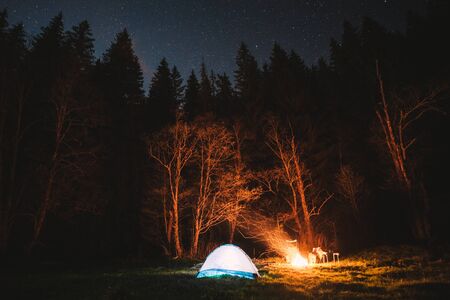
Understanding the UK Landscape and Weather
Hiking in the UK offers a unique blend of rolling hills, dense forests, rugged coastlines, and mountainous regions. Each landscape presents its own set of challenges and risks, making it vital for campers to have a thorough understanding of their chosen trail before setting out. Britain’s weather is famously unpredictable—sunshine can quickly give way to rain, mist, or even sudden temperature drops, especially in upland areas such as the Lake District or Scottish Highlands. This ever-changing climate means that preparation isn’t just wise; it’s essential. Local knowledge plays a critical role here: consulting regional weather forecasts, talking to park rangers or seasoned hikers, and researching route-specific advice all contribute to safer and more enjoyable adventures. Recognising the diversity of Britain’s natural environments and respecting the impact of seasonal shifts is a cornerstone of responsible hiking in the UK.
2. Essential Gear for UK Trails
Preparing for a walk in the British countryside isn’t just about enthusiasm—it’s about choosing the right kit to keep you safe, dry, and comfortable. The UK’s famously changeable weather and varied terrain mean gear selection is more than a formality; it’s an essential part of trail safety. Here’s an honest overview of what you’ll need for a typical hike across the moors, dales, or fells.
Clothing: Layering for Unpredictable Weather
The British climate can deliver all four seasons in a single day. Prioritise breathable base layers that wick moisture, an insulating mid-layer like fleece, and a waterproof, windproof outer shell (look for jackets with taped seams). Avoid cotton as it holds moisture and chills you quickly. Don’t forget a hat and gloves—even summer evenings can be brisk on exposed ridges.
Footwear: Prioritising Traction and Support
Waterproof walking boots with good ankle support are a must for most UK trails, especially those crossing boggy ground or rough uplands. Trail shoes may suit established paths in lowland areas, but check the forecast and route conditions before deciding. Good socks matter too—choose wool or synthetic blends designed to reduce blisters.
Rucksacks: Size and Fit Matter
A well-fitted rucksack (20–35 litres for day hikes) is crucial for comfort and balance. Look for models with adjustable back systems and padded hip belts to distribute weight. Choose one with rain covers or pack your kit in dry bags—few things sap morale like sodden sandwiches and soggy spare clothes.
Quick Reference: Core Gear Checklist
| Item | Recommended Type | Why It Matters |
|---|---|---|
| Jacket | Waterproof & Breathable (with hood) | Protection from rain/wind |
| Trousers | Quick-dry/Water-resistant | Comfort during showers & mud |
| Boots/Shoes | Ankle-supporting & Waterproof | Traction & injury prevention |
| Socks | Wool/synthetic hiking socks | Blister reduction & warmth |
| Rucksack | 20–35L with rain cover | Carrying essentials safely |
Navigation Tools: Traditional and Modern Solutions
The British landscape can be notoriously disorienting in mist or rain. Always carry a paper OS map (Ordnance Survey Explorer or Landranger series) and a compass—and know how to use them. GPS devices and smartphone apps offer convenience but don’t rely solely on batteries or signal. Consider packing a whistle and torch as backup safety items.
A Practical Word on Packing Smartly
Packing efficiently makes all the difference when conditions turn. Prioritise accessibility for waterproofs and navigation tools, store snacks high up for easy reach, and always leave room for emergency supplies. Respecting the British weather means being ready for anything—and that starts with your kit.

3. Footpath Etiquette and Rights of Way
Navigating the UK’s extensive network of public footpaths is a unique privilege, but it comes with important responsibilities. Whether you’re rambling across the Lake District or strolling along the South West Coast Path, understanding and respecting local customs and legal rights of way is essential for both safety and harmonious outdoor experiences.
Understanding Public Footpaths
Public footpaths in the UK are protected by law, allowing walkers to cross private land along designated routes. Always keep to the marked paths, avoid straying onto adjacent fields, and respect any signage indicating temporary diversions or closures. Remember that many trails pass through working farmland; gates should be left as you find them—open or closed—to prevent livestock from wandering.
The Countryside Code: Your Guiding Principles
The Countryside Code underpins responsible behaviour outdoors. Key tenets include leaving no trace, keeping dogs under close control (especially near livestock), and taking all litter home. Be considerate of local communities and other walkers by maintaining a low noise level and giving way courteously on narrow tracks.
Camping Considerations Along Footpaths
If your hike involves wild camping, choose sites well away from paths, watercourses, and buildings. Seek permission where required, particularly in areas without established wild camping traditions like most of England and Wales. In Scotland, the Outdoor Access Code provides more flexibility but still expects campers to be discreet and respectful.
By following these grounded guidelines for footpath etiquette and rights of way, campers contribute positively to the preservation of Britain’s cherished landscapes while ensuring their own journeys remain safe, enjoyable, and welcome for years to come.
4. Planning Your Route and Emergency Preparedness
Embarking on a hiking or camping trip in the UK requires thorough route planning and a clear understanding of how to handle emergencies. British landscapes, from the Lake District fells to Scottish Munros, present unique navigational challenges and hazards that require sound preparation.
Route Planning: The Engineering Approach
Before heading out, meticulously plan your route using Ordnance Survey (OS) maps, which are the gold standard in the UK. Identify key waypoints, elevation changes, water sources, and escape routes. Modern mapping apps can complement—but never fully replace—a physical map and compass due to potential technology failures in remote areas.
Essential Route Planning Checklist
| Task | Details |
|---|---|
| Select Appropriate Map | Use OS Explorer or Landranger series depending on the area’s detail needed |
| Mark Waypoints | Identify landmarks, rest stops, and junctions ahead of time |
| Assess Terrain & Elevation | Note steep gradients and river crossings; factor in weather conditions |
| Plan Escape Routes | Identify paths to safety if you must abandon your planned route |
| Inform Others | Share your intended route and expected return time with a trusted contact |
Map Reading Skills: A Critical Safety Tool
The ability to interpret an OS map is vital for UK hikers. Familiarise yourself with contour lines (indicating elevation), footpaths, bridleways, and rights of way. Use a compass to orientate your map and keep regular track of your progress—particularly when visibility drops due to British weather conditions like fog or rain.
Expected Hazards on UK Trails
| Hazard | Description | Mitigation Strategy |
|---|---|---|
| Boggy Ground & Muddy Paths | Common in moorlands and after rainfall; can obscure trails | Wear waterproof boots, use walking poles for stability, consult recent trail reports |
| Scree Slopes & Loose Rocks | Particularly on upland paths and coastal cliffs; risk of slips/falls | Tread carefully, avoid running descents, stick to marked routes where possible |
| Sudsden Weather Changes | UK weather can shift rapidly—mist, rain, or windstorms may arise unexpectedly | Pack layers, waterproofs, check forecasts before departure, be prepared to turn back if needed |
| Livestock & Wildlife Encounters | Cows and sheep roam open access land; adders found on heathland in warm months | Avoid disturbing animals, close gates behind you, remain calm and back away if necessary |
| Poor Mobile Signal Areas | Remote valleys or uplands often lack reliable coverage for calls or GPS tracking | Cary a whistle, personal locator beacon (PLB), and always have a paper map/compass as backup |
If Something Goes Awry: Emergency Protocols
If you become lost or someone in your group is injured:
- Stop immediately—do not press on blindly.
- Shelter from the elements if needed; use emergency bivvy bags or tents.
- If safe to do so, attempt to retrace your steps using your map and compass.
- If unable to self-rescue, call 999 (or 112) and ask for Mountain Rescue. Give precise location details using OS grid references or the “what3words” app if available.
- Signal for help with a whistle: six short blasts repeated at one-minute intervals is the recognised distress signal in the UK hills.
- Remain calm; conserve energy until help arrives.
A Note on Group Dynamics and Decision-Making Under Stress:
Nominating an experienced navigator as group lead can prevent confusion. Regular check-ins at each waypoint reduce the likelihood of missed turns or overlooked hazards. Above all else: do not hesitate to abandon your planned route if conditions deteriorate—turning back early is always preferable to risking escalation.
5. Wildlife and Environmental Awareness
When hiking across the UK’s diverse trails, encounters with wildlife are part of the experience. From red deer in Scotland to badgers and foxes in English woodlands, it’s essential to respect animals by observing from a distance and not feeding them. British wildlife can be shy, but sudden movements or noise may startle them or provoke defensive behaviour. In protected areas such as national parks or Sites of Special Scientific Interest (SSSI), always stay on marked paths to minimise habitat disturbance and preserve rare plant life.
Respecting Livestock and Farmland
The UK countryside is a working landscape, with many trails crossing through active farms. Be aware that you may encounter sheep, cattle, or horses grazing freely. Keep dogs under close control—ideally on a lead—and never attempt to chase or interact with livestock. Always close gates behind you and avoid disturbing farm operations. If you pass through a field containing livestock, move calmly and steadily; if cattle approach, keep a safe distance and leave the field by the nearest exit if necessary.
Minimising Environmental Impact
Protecting local habitats is crucial for maintaining the beauty and biodiversity of UK trails. Stick to established footpaths to prevent erosion and trampling of delicate ground cover. Carry out all litter, including biodegradable items like fruit peels. Avoid picking wildflowers or removing natural objects such as rocks or fallen branches. These actions help ensure that the natural environment remains unspoiled for future visitors and supports local wildlife populations.
Awareness in Protected Areas
In protected regions, observe any additional rules set by landowners or conservation authorities—these often include restrictions during breeding seasons or requests to avoid certain sensitive sites altogether. Read posted signs carefully and heed guidance from rangers or wardens when available. By acting responsibly around wildlife, livestock, and sensitive environments, campers contribute positively to the long-term health of the UK’s treasured outdoor spaces.
6. Staying Connected and Local Resources
Maintaining reliable communication is a vital element of trail safety for campers exploring the UK’s diverse landscapes. Mobile signal can be unpredictable, especially in remote areas such as the Scottish Highlands, Lake District, or Snowdonia. Before setting out, it’s wise to check your network provider’s coverage map for your intended route and consider carrying a backup power bank to keep devices charged. Downloading offline maps via reputable apps like OS Maps or ViewRanger can also prove invaluable should you lose connection.
Emergency Contact Practices
Always let someone know your planned route, estimated return time, and who to contact in case you don’t check in as expected. On the trail, if an emergency arises and you have mobile reception, dial 999 or 112 and ask for ‘Police’ then ‘Mountain Rescue’. When possible, provide clear information about your location—using grid references from an Ordnance Survey map is particularly helpful to rescuers. If you anticipate being out of signal range for extended periods, consider carrying a personal locator beacon (PLB) or satellite messenger for added peace of mind.
Using Local Mountain or Rescue Services
The UK benefits from dedicated volunteer rescue teams with local knowledge and expertise. Familiarise yourself with the services available in the region you’re visiting; many national parks have visitor centres offering up-to-date advice on conditions and potential hazards. Respect local guidance, weather warnings, and signage—they are there for your safety. In addition, consider downloading the free What3words app, which helps emergency services pinpoint your exact location using three unique words assigned to every 3m x 3m square in the country.
Final Thoughts
Staying connected isn’t just about technology—it’s about being proactive with your safety planning and making use of local resources. By combining these practical measures with sound judgement, you’ll help ensure a safer and more enjoyable camping experience across the UK’s beautiful but sometimes unpredictable trails.