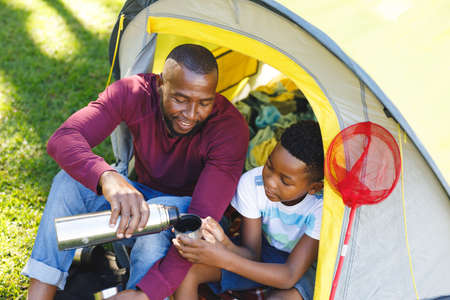
Introduction to Family Camping in the UK
In recent years, camping has become a favourite pastime for many British families seeking adventure, relaxation, and quality time together. From the scenic coastlines of Cornwall to the rolling hills of the Lake District, the UK offers a wealth of picturesque spots perfect for pitching a tent or setting up a caravan. These local environments not only provide stunning backdrops but also invite families to reconnect with nature and one another. However, while spontaneous getaways sound idyllic, a successful camping trip relies on more than just picking the right location. Establishing clear family camping rules before arriving at your chosen site is vital. Such guidelines help manage expectations, reduce stress, and ensure everyone enjoys the experience safely and harmoniously, setting the stage for unforgettable memories without unnecessary hiccups.
2. Navigating British Campsite Etiquette
When planning a family camping trip in the UK, understanding campsite etiquette is just as vital as packing your tent and wellies. British campsites are known for their unique culture and unwritten rules, and setting clear family guidelines before you arrive will help you blend in, avoid awkward situations, and ensure everyone enjoys the experience. These expectations arent always posted on noticeboards but are widely observed by seasoned campers up and down the country.
Key Expectations at UK Campsites
| Rule/Expectation | Typical Practice | Why It Matters |
|---|---|---|
| Respecting Quiet Hours | Usually between 10pm-7am, keep noise to a minimum | Ensures everyone gets a peaceful nights sleep, especially families with children or early risers |
| Recycling & Rubbish Disposal | Use provided bins correctly; separate recycling from general waste | Keeps the campsite tidy and supports environmental efforts common in the UK |
| Interacting with Neighbours | Friendly greetings are welcome, but respect privacy by not entering others’ pitches uninvited | Maintains the balance between sociability and personal space valued by Brits |
| Pitch Boundaries | Set up within your allocated area; don’t spread out unnecessarily | Avoids disputes and ensures fair use of shared space for all campers |
| Campfire Rules | Follow site-specific guidance—many UK sites have restrictions or designated fire pits only | Prevents fire hazards and respects local wildlife and fellow campers’ comfort |
The Unwritten Social Code: Making Friends (or Not)
British campers tend to strike a balance between being approachable and respecting each others solitude. A smile or a brief chat at the washing-up station is common, but overstepping boundaries—like wandering through someone else’s pitch—can be seen as impolite. Teaching kids to say “hello” without being intrusive is a good rule of thumb.
Practical Tips for Families:
- Discuss expected behaviour: Before arriving, talk about using indoor voices after dark, tidying up litter, and asking before joining in games with other children.
- Involve children in recycling: Make sorting waste into an educational activity so they understand its importance at British sites.
- Create a “camping code” together: Get everyone’s input to help them feel responsible for upholding family rules.
Your First Night: Setting the Tone Early
The first evening sets expectations for your stay. Make it a point to model respectful behaviour from the moment you pitch up—help younger campers settle quietly after dusk, introduce yourselves briefly to neighbours if appropriate, and double-check you’re following all site-specific rules. This approach not only keeps your family in good standing but also paves the way for a relaxed, enjoyable holiday for everyone involved.

3. Safety First: Keeping Everyone Secure
When it comes to camping as a family in the UK, safety should always be at the forefront of your planning. Setting clear rules before you even arrive at your chosen campsite is essential for keeping everyone secure and worry-free throughout your stay. By establishing ground rules, you’re not only preventing accidents but also ensuring that everyone—especially children—knows what’s expected of them in an outdoor environment.
Campfire Guidelines
A campfire is often the heart of any camping trip, but it also brings significant risks if not managed properly. Agreeing on strict campfire rules in advance—such as only adults lighting the fire, never leaving it unattended, and having water or sand nearby to extinguish it—helps reduce the likelihood of accidents. Remind everyone about the importance of staying a safe distance from the flames and make sure kids understand these boundaries before the first match is struck.
Wildlife Awareness
The British countryside is home to a variety of wildlife, some of which can be curious or even pose dangers if approached. Setting family rules around respecting wildlife—like not feeding animals, storing food securely, and observing from a distance—not only keeps your group safe but also protects local habitats. Teaching children about the animals they might encounter and how to behave responsibly around them is a crucial part of pre-camping discussions.
Supervising Children in Open Spaces
Open fields and wooded areas can be incredibly exciting for youngsters, but they also present hazards such as uneven ground, water sources, or getting lost. Before arriving, agree on boundaries that children must stay within and set up a buddy system so no one wanders off alone. Regular check-ins and assigning specific supervision duties to adults help ensure that all children are accounted for at all times, giving parents peace of mind and kids freedom within safe limits.
Why Set Rules Ahead?
By agreeing on these safety-focused guidelines before you head out, every member of the family knows what’s expected from the outset. This proactive approach minimises confusion once you’re on site and allows everyone to relax and enjoy their time in nature, knowing there’s a shared understanding of how to stay safe together.
4. Promoting Teamwork and Shared Responsibilities
Setting family camping rules before you even arrive at the campsite is a brilliant way to foster teamwork and shared responsibilities among everyone involved. By establishing clear expectations for how tasks will be divided, you can avoid confusion and potential squabbles later on. For example, knowing in advance who’s responsible for pitching the tents, preparing meals, or tidying up after dinner helps each family member feel involved and valued.
When everyone has a role, it encourages a sense of unity and cooperation. Children, especially, benefit from having specific tasks—they learn important life skills while also feeling like an essential part of the adventure. Adults, meanwhile, can delegate responsibilities more smoothly without feeling overwhelmed or having to nag throughout the trip.
Here’s a simple table to illustrate how you might allocate camping duties:
| Task | Who’s Responsible | Notes |
|---|---|---|
| Pitching tents | Mum & Dad (with help from kids) | Supervised teamwork for safety |
| Cooking meals | Older children & adults | Rotate by meal or day |
| Washing up | Younger children | Pair with an adult if needed |
| Collecting firewood | All family members | Work together—safety first! |
This method not only makes everything run more smoothly but also gives each person a sense of ownership over the camping experience. Plus, when jobs are done together, it often turns into a bit of friendly competition or banter—very much part of the British camping spirit! Ultimately, setting these rules in advance means more time enjoying nature and less time sorting out who does what once you’re already there.
5. Minimising Stress and Managing Expectations
One of the greatest benefits of establishing family camping rules before you arrive at your chosen site is the way it helps minimise stress and manage everyone’s expectations from the get-go. When ground rules are clearly communicated, every family member knows what’s expected—whether it’s about helping with chores, respecting quiet hours, or sticking to agreed bedtime routines. This upfront clarity can significantly reduce the likelihood of misunderstandings and arguments once you’re out in the wild.
For families with children (and even adults!) who are keen on their devices, setting boundaries around screen time is crucial. Without clear guidelines, it’s all too easy for a holiday to slip into everyone scrolling on their phones rather than enjoying the great outdoors together. By agreeing beforehand how much—and when—screens can be used, you set yourselves up for more quality time, shared adventures, and those memorable campfire conversations that really make a trip special.
Behaviour expectations are another area where camping rules work wonders. Whether it’s about tidying up after meals, taking turns with washing up, or keeping noise down in respect to neighbouring campers, having these standards spelt out early means less nagging and fewer disputes. Everyone is on the same page, which fosters a spirit of teamwork and mutual respect throughout your stay.
Ultimately, ground rules act as a kind of insurance policy against family squabbles. They provide structure without being overly restrictive, allowing all members—young and old—to relax knowing what’s ok and what isn’t. With less uncertainty and fewer flashpoints for conflict, you’re free to focus on what matters: making memories together and truly enjoying your break in the British countryside.
6. Embracing the British Love of Nature
One of the best parts about camping in the UK is the chance to truly immerse your family in the countryside and experience classic British outdoor pastimes. Setting clear camping rules before you arrive can make all the difference when it comes to enjoying everything nature has to offer while respecting the land and traditions that make camping here unique.
Families who outline ground rules such as “leave no trace,” “stick to marked footpaths,” or “keep noise down after dusk” not only help preserve the natural beauty of campsites but also teach children valuable lessons about environmental stewardship. These guidelines encourage everyone to slow down, listen for birdsong, and notice wildflowers—embracing the slower pace that makes British rambling so special.
By agreeing on simple activities like a daily nature walk, pond-dipping in a safe spot, or identifying local wildlife, families can connect more deeply with each other and the outdoors. Such rules provide just enough structure to keep little ones safe while giving everyone the freedom to explore, discover new hobbies, and appreciate ancient woodlands or rolling hillsides.
Ultimately, setting these boundaries helps ensure that everyone enjoys a truly British camping experience: one that’s respectful, adventurous, and rooted in a love of the great outdoors—a value at the heart of Britain’s countryside culture.
7. Conclusion: Setting the Scene for a Memorable Family Adventure
Agreeing on family camping rules before you even pitch your tent is more than just a matter of organisation—it’s the cornerstone of a truly enjoyable and authentic British camping experience. By taking the time to set out clear expectations together, families can sidestep common squabbles and misunderstandings, allowing everyone to relax and immerse themselves in the great outdoors. This proactive approach not only helps maintain harmony but also ensures that everyone does their bit, from respecting quiet hours to keeping the campsite tidy, in true British spirit. These shared rules lay the groundwork for creating lasting memories—whether it’s roasting marshmallows around the campfire, exploring woodland trails, or simply enjoying an uninterrupted cuppa under canvas. Most importantly, setting these guidelines upholds cherished camping traditions passed down through generations across the UK, where respect for nature and fellow campers is woven into every adventure. By establishing your family’s own code before arrival, you’re not just preparing for a stress-free trip—you’re giving your loved ones the best chance to bond, laugh, and create stories that will be fondly retold for years to come.