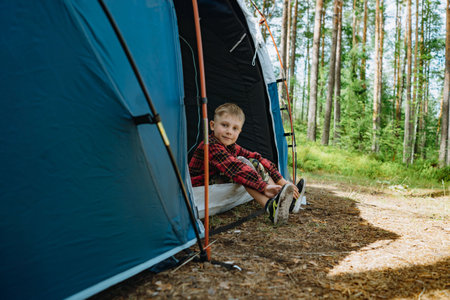
Introduction to Child Safety at British Campsites
Camping is a cherished tradition for families across the United Kingdom, offering an opportunity to reconnect with nature, explore the countryside, and create lasting memories together. From pitching tents in the Lake District to caravan getaways on the Cornish coast, British campsites welcome families of all shapes and sizes, each looking to enjoy the unique charm of the great outdoors. However, while camping brings a sense of adventure and freedom, it also introduces a range of safety considerations—especially when children are involved.
For parents and carers, ensuring child safety on campsites is paramount. The unpredictability of outdoor environments—from open campfires and water sources to unfamiliar woodland paths—can present real challenges. It’s not just about preventing bumps and scrapes; it’s about fostering an environment where children feel secure enough to explore while adults have peace of mind. As more families choose to swap city lights for starlit skies, understanding how to keep young campers safe is more relevant than ever.
This article delves into real-life case studies from British campsites, drawing out essential lessons learned and practical tips for keeping children safe. By reflecting on genuine incidents and their outcomes, we hope to equip parents with the knowledge and confidence needed to fully enjoy their family camping adventures—knowing that a little preparation goes a long way towards making precious outdoor moments truly worry-free.
2. Lost and Found: Navigating Campsite Layouts
On a breezy summer afternoon in the Lake District, the Smith family set up camp at one of Britain’s largest campsites. With rolling green fields, winding hedgerows, and scattered clusters of tents and caravans, the site was a paradise for children with big imaginations – but also a maze for little feet. It wasn’t long before seven-year-old Ellie wandered away from her family’s pitch while chasing butterflies, quickly losing sight of familiar landmarks.
The moment Ellie’s absence was noticed, panic set in. However, thanks to clear communication between the Smiths and campsite staff, a structured search began immediately. Staff used walkie-talkies to coordinate, and fellow campers were gently approached for assistance. The campsite had thoughtfully posted colourful signs with animal symbols at key junctions—something Ellie remembered from their arrival walkabout. After what felt like an eternity but was in reality only fifteen minutes, a staff member found Ellie sitting by the “Fox” signpost, comforted by another family who had spotted her looking lost.
Lessons Learned: Orientation and Communication
| Lesson | Practical Tip |
|---|---|
| Orientation Walks | Take time upon arrival to walk the site with your child, pointing out key landmarks such as the reception, toilet blocks, and unique signposts. |
| Communication Plan | Establish simple rules: always tell an adult before leaving the pitch; agree on a meeting point if separated. |
| Emergency Contacts | Ensure your child knows your phone number or has it written securely in their pocket. |
| Staff Collaboration | Introduce your child to campsite staff; explain to them that staff are safe adults to approach if lost. |
British Camp Culture Insight
Campsites across the UK often have their own unique layouts—some sprawling over acres, others tucked into intimate woodlands. Many use playful signposting (like “Hedgehog Lane” or “Badger Hill”) to make navigation easier for young campers. Open communication between families and staff is considered part of good camping etiquette, reinforcing a friendly, community-focused environment.
A Parent’s Reassurance
This real-life incident turned into a valuable lesson for both Ellie and her parents. While the experience was unnerving at first, it highlighted the importance of preparation and teamwork. By embracing the “lost and found” moment together—with kindness from strangers and swift action from staff—the Smith family left with greater confidence in exploring British campsites safely.

3. Water Hazards: Safe Play by Lakes and Rivers
One sunny afternoon in the Lake District, a family set up their tent close to the tranquil waters of a popular lake. What started as an idyllic day nearly turned tragic when their young daughter, captivated by the shimmering surface, wandered away from her parents while they were preparing lunch. She slipped on the muddy bank and tumbled into the shallow water. Fortunately, her older brother spotted her just in time and called for help. The girl was quickly pulled from the water, shaken but unharmed—a near-miss that left everyone deeply rattled.
Understanding Open Water Risks
Lakes and rivers across Britain offer children endless opportunities for play and exploration, but open water can be deceptively dangerous. Even experienced swimmers can struggle with sudden drops, hidden currents, or slippery rocks. In this real-life incident, it became clear how quickly children can find themselves in trouble—and how vital constant supervision is, even in seemingly safe conditions.
Prevention: What Families Can Do
For families camping near water, it’s essential to set clear boundaries about where children can go and always keep them within sight. Equip younger children with brightly coloured hats or jackets to make them easy to spot. Educate your child about the risks of playing near water and agree on a ‘safe zone’ for their activities. It’s also wise to review basic water safety rules together before heading out each day.
The Role of Campsite Managers
Campsite managers play a crucial role in keeping everyone safe. Clear signage warning of deep or fast-flowing water should be installed at all potential hazard points. Regular maintenance of pathways and banks helps prevent slips and falls. Some campsites offer designated paddling areas with gentle slopes—these should be highlighted to families upon arrival.
Reassurance Through Vigilance
This family’s experience is a reminder that accidents can happen in moments of distraction. By combining vigilance with practical precautions—like buddy systems, clear communication, and visible boundaries—we can ensure lakeside adventures are memorable for all the right reasons. After all, enjoying nature together is about making happy memories, not close calls.
4. Campfire Concerns: Teaching Fire Safety
One memorable case from a family camping trip in the Lake District highlights the importance of campfire safety for children. During a chilly evening, while marshmallows were being toasted over an open fire, an eight-year-old named Alfie accidentally brushed his hand against a hot grill. Although the burn was minor, the incident served as a wake-up call for everyone present.
This experience prompted Alfie’s family to rethink their approach to campfire activities. They realised that clear routines and enhanced supervision could prevent similar accidents in the future. Here is how their new family routine changed after the incident:
| Before Incident | After Incident |
|---|---|
| Children freely gathered around the campfire without set boundaries. | Established a “safe zone” using stones, which children were taught not to cross unless accompanied by an adult. |
| No specific role assigned for supervising children near fire. | Designated one adult as the “fire marshal” at all times during campfire activities. |
| First aid kit was packed but not easily accessible or checked regularly. | First aid kit placed within arm’s reach of the campfire; family reviewed basic first aid for burns before lighting any fire. |
| No explicit discussion about fire safety rules with children. | Held a quick, child-friendly talk before each campfire about risks, safe behaviour, and what to do if someone gets hurt. |
The Power of Calm Communication
After Alfie’s burn, his parents modelled calm reassurance and comfort, showing other families how important it is to respond gently when accidents happen. They used age-appropriate language to explain why certain rules are necessary, making sure Alfie and his siblings understood without feeling frightened or blamed.
Teaching First Aid Awareness
The family also took this opportunity to teach everyone—adults and children alike—how to cool a minor burn with cold water, cover it with a clean cloth, and seek help if needed. This hands-on learning made the children feel more confident and less anxious about spending time around the campfire.
Takeaway for Other Families
This real-life example shows that even small incidents can lead to positive change. By introducing clear routines, supervision roles, and practical first aid knowledge, families can make British campsite experiences both magical and safe for children of all ages.
5. Wildlife Encounters: Respecting Nature and Staying Safe
A Hedgehog’s Night-time Visit: A Lesson in Coexisting with Wildlife
British campsites are often nestled in the heart of the countryside, surrounded by rolling hills, woodland, and meadows teeming with local wildlife. One summer evening at a family-friendly campsite in the Lake District, the Parker family experienced an unexpected visitor—a curious hedgehog. Their young daughter, Emily, was just settling down for bed when she spotted the small creature snuffling near their tent.
The Child’s Reaction: Curiosity and Concern
Emily, who had only seen hedgehogs in storybooks before, was excited but a little anxious. She wanted to get closer, but her parents gently explained that while hedgehogs are harmless, it’s important to observe them quietly and not to touch or feed them. They used this moment as an opportunity to discuss how wild animals can sometimes be attracted to campsites by leftover food or rubbish.
Lessons Learned: Respecting Wildlife and Responsible Camping
This gentle encounter became a valuable learning experience for Emily and her parents. The family realised that storing food safely—using sealed containers and tidying up after meals—is not just about keeping the campsite clean, but also about protecting both children and animals from unwanted interactions. They explained to Emily why it’s best to admire wildlife from a distance and avoid leaving food out overnight.
Key Takeaways for Families Camping in the UK
- Respect Local Wildlife: Teach children to watch animals quietly without disturbing them or their habitats.
- Safe Food Storage: Always pack away food in secure containers or coolboxes, especially at night.
- Leave No Trace: Dispose of rubbish properly to prevent attracting animals into your camping area.
- Open Conversations: Use wildlife encounters as moments to talk about safety and kindness towards nature.
The Parkers’ story shows that even a simple hedgehog visit can spark curiosity and meaningful conversations about respecting British wildlife. By preparing children for these experiences, families can create safe, memorable adventures while nurturing a love for the natural world.
6. Community Support: The Role of Fellow Campers
One of the most heartwarming aspects of British campsites is the strong sense of community that flourishes among campers. In a real-life incident at a family-friendly site in the Lake District, this spirit was put to the test when a young child suffered a minor injury while playing near their tent. As soon as the parents called out for help, fellow campers quickly gathered, offering not just plasters and antiseptic wipes from their own first-aid kits, but also calm reassurance and practical support.
Neighbours from nearby pitches, some with medical training, stepped forward to assess the child’s condition and provide guidance, while others distracted siblings with games and comforting words. The site warden was alerted immediately via the campsite’s WhatsApp group—a tool many British campsites now use to keep everyone connected—and arrived within minutes with additional supplies and advice.
This uplifting example highlights how neighbourliness and shared responsibility are valued traditions on British campsites. From lending a helping hand in times of need to keeping an eye on children during group activities, campers understand that safety is a collective effort. These moments not only ensure children are cared for promptly but also foster lasting friendships between families who might have otherwise remained strangers.
Parents often reflect afterwards on the peace of mind that comes from knowing they’re surrounded by supportive adults who genuinely care about each other’s wellbeing. It’s a gentle reminder that while preparation is important, sometimes it’s the kindness and quick thinking of others that make all the difference in ensuring every family enjoys a safe and memorable camping experience in Britain.
7. Final Takeaways: Building Safer Family Adventures
Camping across the UK is a cherished family tradition, offering children a taste of freedom and exploration in the great outdoors. Reflecting on real-life safety incidents, it’s clear that practical preparation and awareness can make all the difference. Here are some reassuring tips and quintessentially British camping habits to help your family camp with confidence.
Practical Safety Tips for Every Camping Trip
Start by involving everyone in planning—children included. Go over campsite rules together, set clear boundaries, and agree on meeting points in case anyone gets lost. Equip your little ones with whistles or simple walkie-talkies, just as many British families do, so they’re never far from help if needed. Keep a first aid kit close to hand, and make sure everyone knows where it’s stored.
Embracing British Camping Etiquette
The unwritten rules of camping in the UK go a long way towards keeping families safe and comfortable. Respect quiet hours, watch out for neighbouring tents when lighting barbecues or campfires, and always tidy up after yourselves—“leave no trace” is a classic British mantra. Teach children to greet fellow campers politely; it not only builds community spirit but also ensures there are more eyes looking out for one another.
Nurturing Positive Safety Habits
Encourage kids to stick together in small groups, especially when exploring woodland or heading to campsite facilities. Make checking the weather forecast a fun daily ritual—a true British habit!—and dress appropriately for sudden changes. Remind children that asking for help from campsite wardens or other trusted adults is always encouraged.
Cherishing Adventure with Peace of Mind
By blending these practical tips with a caring approach, families can enjoy magical camping experiences while feeling secure. Remember, every adventure is an opportunity to nurture independence within safe boundaries. With thoughtful preparation and a sprinkle of classic British courtesy, you’ll create lasting memories—and keep your loved ones safe under the stars.