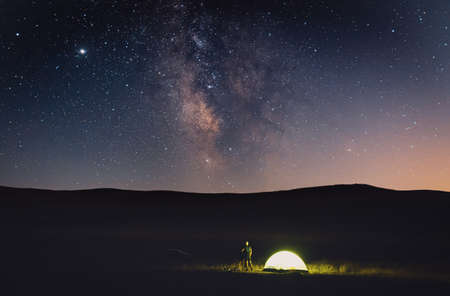
Setting Off on a Stargazing Adventure
There’s something truly magical about heading out into the British countryside as dusk begins to settle, ready for a night beneath the stars. Whether you’re in the rolling hills of the Lake District, the rugged beauty of Dartmoor, or a local park on the edge of your village, stargazing in the UK is an adventure that brings families closer together and opens up a world of natural wonder. The excitement starts at home, gathering your cosy blankets, thermos of hot chocolate, and maybe even some homemade flapjacks for a midnight snack. Choose family-friendly spots like Brecon Beacons or Northumberland International Dark Sky Park, where the skies are famously clear and welcoming for little ones’ curious eyes. Don’t forget to pack layers to keep warm, comfy chairs for tired legs, torches with red filters (to protect everyone’s night vision), and binoculars for spotting constellations or an owl swooping by. As you set off, there’s a shared sense of anticipation—what wildlife will you hear? What stories will the stars tell tonight? This is more than just stargazing; it’s about making memories and discovering the wild side of night together.
2. Meet the Nocturnal Residents: British Wildlife After Dark
As dusk settles over the UK’s countryside, a secret world awakens—one filled with fascinating nocturnal creatures that bring the landscape to life under the stars. When you set out for a family stargazing adventure, you may be surprised by who shares the night with you! From rustling hedgehogs to the haunting calls of barn owls, each encounter adds magic and wonder to your evening outdoors.
Who’s Out and About at Night?
The UK is home to a delightful variety of animals that thrive in the darkness. Here are some you might spot or hear during your nighttime explorations:
| Animal | Typical Sound or Behaviour | Best Places to Spot |
|---|---|---|
| Barn Owl | Screeching call, silent flight | Farmland, meadows, woodland edges |
| Hedgehog | Snuffling, rustling in leaves | Gardens, parks, hedgerows |
| Red Fox | Barking, screaming (vixen call) | Urban areas, woodlands, fields |
| Deer (Roe or Red) | Occasional barking; quiet movement | Forests, heathland, grassland |
| Bats | High-pitched squeaks (echolocation) | Near water, trees, old buildings |
Tips for Observing Wildlife Respectfully
To keep both your family and local wildlife safe and happy during your adventure, follow these gentle guidelines:
- Be Quiet: Move slowly and speak softly—many animals are shy and easily startled.
- No Flashlights Directly on Animals: Use red-filtered torches if needed; bright lights can frighten nocturnal creatures.
- Stay on Paths: Avoid trampling vegetation where animals may hide or nest.
- No Feeding: Wild food is best for wild animals; feeding them human snacks can do more harm than good.
- Observe from a Distance: Enjoy watching but never try to touch or chase wildlife.
A Family Moment Under the Stars
Listening for a fox’s bark or catching sight of a hedgehog snuffling along a garden path can become cherished memories for children and grown-ups alike. With patience and care, your stargazing night may reveal just how alive—and magical—the British countryside truly is after dark.

3. Nighttime Soundscapes: Listening to Nature’s Orchestra
As dusk settles and the stars begin to twinkle above, the British countryside transforms into a magical stage for nature’s orchestra. Encouraging your family to pause and listen is one of the most enchanting ways to connect with the wild after dark. The gentle hoot of a tawny owl, echoing from the woodland, is a sound many children will remember fondly. Listen closely and you might also hear the distant bark of a fox, or the fluttering wings of bats darting overhead in search of insects.
The wind rustling through ancient oaks and whispering across open fields adds a soothing backdrop to these nocturnal melodies. If you’re lucky enough to be near water, you may catch the soft plop of a fish or the rhythmic chorus of frogs. Each sound tells its own story, weaving together generations of wildlife that have called these landscapes home.
For families, tuning in to these distinctive sounds isn’t just about spotting animals—it’s about slowing down and feeling grounded in the moment. Children can be encouraged to close their eyes and count how many different sounds they notice, turning it into a playful challenge that also nurtures mindfulness. These calming night-time atmospheres help everyone unwind, making stargazing not only an adventure for the eyes but a soothing retreat for the senses as well.
4. Tales and Folklore Under the Stars
As you nestle together beneath the twinkling night sky, it’s the perfect time to share some of Britain’s most enchanting tales and folklore. These stories, passed down through generations, are woven deeply into the fabric of the landscape, making the stargazing experience even more magical for families. The gentle rustle of leaves and distant hoots of an owl set the scene as imaginations soar, connecting young listeners to both nature and history.
British Legends That Spark Imagination
Many British folktales revolve around the stars and night-time wildlife. For example, children love hearing about Herne the Hunter, a ghostly figure said to ride through Windsor Forest on moonlit nights, or the tale of the Green Man who guards ancient woodlands. Sharing these stories outdoors gives them new life, helping children envision mythical creatures peeking out from behind trees or fairies dancing in dew-kissed grass.
Popular Night-Time Folklore by Region
| Region | Folklore Tale | Connection to Nature |
|---|---|---|
| Lakeland | The Hound of Black Heddon | Misty moors and mysterious animal calls inspire tales of spectral dogs roaming at dusk. |
| Cornwall | Piskies and Spriggans | Tiny fairies said to play tricks after sunset among stone circles and hedgerows. |
| Yorkshire Dales | Boggarts | These mischievous spirits are believed to dwell in quiet valleys and barns, especially at night. |
| Scottish Highlands | The Selkie Folk | Legendary seal-people thought to come ashore under moonlight along rocky coasts. |
Bringing Stories to Life for Families
Listening to these tales while surrounded by the sounds of wildlife can make them feel real. Try asking children which star might be Herne’s lantern or what nocturnal creature could be a Boggart in disguise. This interactive storytelling not only fosters creativity but also strengthens your family’s bond with the land around you—turning every stargazing night into an adventure full of wonder and tradition.
5. Stargazing Tips for Families in the UK
Spotting Constellations Made Simple
Stargazing in the UK is a delightful way to bond as a family while connecting with the beauty of nature. To make your night under the stars both magical and manageable, start by choosing a clear evening away from city lights—local parks or countryside spots are ideal. The Plough (or Big Dipper) is one of the most recognisable constellations in British skies and can serve as your starting point. Once you spot its distinctive saucepan shape, use it to find Polaris, the North Star, which always points north and helps orientate you. Orion’s Belt is another favourite, visible during winter months, with three bright stars in a straight line. Encourage children to look for Cassiopeia too, shaped like a wonky W high above.
Easy Guides for Curious Explorers
Consider bringing along a simple star map or download a stargazing app that works offline—these tools make it fun for everyone to identify what’s above. Make it interactive: challenge each other to find certain shapes or invent your own stories about the stars you see. Binoculars are great for young hands; they’re less fiddly than telescopes and perfect for scanning the Milky Way or spotting Jupiter and its moons on a clear night.
Cosy Comforts and Safety First
The British weather can be unpredictable, so layer up with warm clothing, woolly hats, and gloves. Bring waterproof picnic blankets or camping chairs to keep everyone comfy and dry. A flask of hot chocolate or tea will keep spirits high if there’s a nip in the air! For safety, always let someone know where you’re going if you’re heading out after dark, stick together as a group, and use torches with red filters to protect your night vision while moving around. Remind little ones not to wander off—nighttime adventures are best enjoyed side by side.
Creating Lasting Memories
Make each stargazing night special by turning it into a family tradition—perhaps bring along a favourite bedtime story to read beneath the stars or jot down your wildlife encounters and new constellations in a shared adventure journal. With these simple tips, your family can discover just how magical—and safe—exploring Britain’s night skies can be together.
6. Making Memories: Creating a Nighttime Nature Journal
As your family steps into the magical world of stargazing and wildlife encounters in the UK, why not capture these special moments by starting a shared nighttime nature journal? This simple activity can turn every outdoor adventure into cherished memories, while encouraging children to reflect on what they see, hear, and feel.
Starting Your Family Journal
Gather everyone together after your evening adventures—whether you’ve been listening for tawny owls in the woods or spotting constellations above the Cotswolds. Let each family member share their favourite moment: perhaps the rustle of a hedgehog in the grass, or the gentle hooting echoing across an open field. Record these moments in your journal, giving everyone a chance to contribute in their own way.
Recording Wildlife Encounters
Encourage your children to describe any animals spotted or sounds heard during your night walks. Did you glimpse a fox darting across the path, or hear bats fluttering overhead? Writing down these details helps children build observational skills and appreciate local British wildlife. You might even draw little sketches or stick in leaves and feathers as keepsakes.
Noting Night Sounds and Starry Discoveries
The British countryside comes alive with unique sounds at night—frogs croaking near ponds, badgers rustling in undergrowth, and even distant sheep bleating on moorland. Capture these soundscapes in your journal by describing them with words or inventing fun symbols. Don’t forget to record which stars or planets you spot! Over time, you’ll notice how familiar constellations return each season, making every entry a learning opportunity.
Reflecting and Sharing Together
Your family’s nighttime nature journal isn’t just about recording facts—it’s about sharing feelings, fostering curiosity, and building connections with nature and one another. By reflecting on your outdoor experiences as a family, you’re helping your children develop confidence, mindfulness, and a lifelong love for Britain’s natural wonders.
So next time you head out under the UK’s starry skies, bring along your journal. The memories you create will last far beyond the night itself—turning every wildlife encounter and mysterious night sound into part of your family’s story.