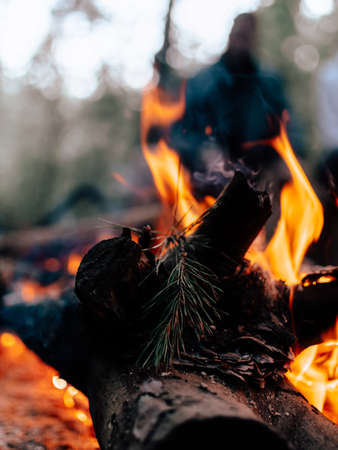
Understanding UK Weather Challenges
The British countryside, in all its wild, untamed beauty, is a place where weather writes its own unpredictable poetry. From the gentle drizzle that clings to the Lake District fells to the sudden downpours sweeping across Scottish moorlands, the UK’s climate keeps wild campers on their toes. Mist drifts through ancient woodlands and dampness lingers in the air, seeping into every crevice and fibre. These conditions can turn a simple campfire into a daunting challenge. For those seeking the solace of wild camping, mastering the art of fire-starting isn’t just a convenience—it’s a vital survival skill. A well-built fire offers warmth against bone-chilling damp, a way to dry sodden gear, and comfort when fog curls around your tent at dusk. In this landscape, understanding and adapting to Britain’s capricious weather becomes as essential as any map or compass you pack. By embracing the ever-changing elements, you’ll not only keep yourself safe but also discover a deeper connection with the rugged charm of the British outdoors.
Essential Fire-Starting Kit for Wet Conditions
When wild camping across the UK, where rain and dampness are all but guaranteed companions, your fire-starting kit must be as resilient as the British spirit itself. Packing smartly can mean the difference between a cheerful campfire and a cold, sodden evening. Here’s your essential guide to assembling a fire kit tailored for the unpredictable weather of the British Isles—a blend of innovation, tradition, and local know-how.
Must-Have Gear for British Wild Camping
| Item | Why It Matters | UK Tips & Recommendations |
|---|---|---|
| Stormproof Matches | Reliable ignition even in wind and rain | Opt for matches with a waterproof case—brands like Lifesystems are trusted by local hikers |
| Waterproof Lighter | Quick, one-handed use and refillable fuel | A classic Zippo or an electric arc lighter is ideal; carry spare flints or USB power banks |
| Firesteel (Ferro Rod) | Sparks at any altitude or moisture level; lasts for thousands of strikes | Bushcraft enthusiasts favour Light My Fire Swedish FireSteel—attach it to your keyring for easy access |
| Tinder (Local & Synthetic) | The foundation of every successful fire; crucial when kindling is damp | Cotton wool soaked in Vaseline, birch bark from native trees, or pre-packed tinder tabs work well in UK conditions |
| Firelighters | Sustains flame long enough to dry kindling and light wet wood | Packed paraffin cubes or eco-friendly wax wool blocks are available in most outdoor shops across Britain |
| Dry Bag or Tin Box | Keeps your entire kit bone-dry despite the drizzle and river crossings | A small dry sack or repurposed biscuit tin does the job—add silica gel packs for extra peace of mind |
Packing Tips for True UK Resilience
- Redundancy is key: Always carry two or more ignition sources. A stormproof match might fail, but a ferro rod never will.
- Think local: Learn to identify native tinders like silver birch bark or dried bracken, both plentiful in British woods and moorlands.
- Compact organisation: Use ziplock bags to separate tinder, matches, and lighters within your main dry bag. This prevents cross-contamination if something leaks.
- Keep it close: Store your fire kit in an easily accessible pocket of your rucksack—you don’t want to scramble for warmth when the heavens open suddenly.
- Practice makes perfect: Try lighting fires with your kit during day walks before you embark on a full wild camp—mastery in fair weather will serve you well on stormy nights.
The Joy of Preparedness: More Than Just Survival
Your fire-starting kit is more than a collection of tools—it’s a promise of warmth, comfort, and community under grey British skies. With thoughtful preparation rooted in local wisdom, every wild camping adventure can end with flames dancing against the mist, no matter how relentless the rain may be.

3. Sourcing Natural Tinder in the UK Countryside
When the British skies unleash their signature drizzle and every mossy stone glistens with rain, starting a fire may seem like an impossible feat. Yet, amidst the emerald tapestry of our countryside, nature offers up hidden treasures for the prepared wild camper. Discovering natural tinder that works even when damp is a skill rooted in tradition and local knowledge—one that can make all the difference on a stormy night.
The Silver Birch: Woodland Ally
Among the most reliable fire-starting materials found across the UK’s woodlands is the silver birch. Its distinctive white bark peels off in thin, papery curls, rich in oils that defy moisture and catch a spark with surprising ease. Even after rainfall, gently stripping away the outer layers will often reveal dry inner bark—perfect for coaxing a stubborn flame to life.
Bracken and Ferns: Abundant in Every Season
Bracken, with its rustling fronds carpeting much of Britain’s heathland and forests, is another unsung hero for wet weather survival. Dead bracken from previous seasons, often found beneath living plants or at the forest edge, dries quickly under any brief break in the clouds. Crumple it between your palms to create a loose bundle; it ignites readily with just a few sparks.
Old Man’s Beard and Other Local Gems
Clever campers also look to ‘old man’s beard’—the lichen draping itself over branches and hedgerows—or even dried grass tufts tucked beneath bushes. While these materials require careful selection to avoid excess dampness, they remain invaluable in an emergency. With a little patience and an eye attuned to subtle signs of dryness, you’ll soon learn to spot these lifelines even when everything else appears sodden.
Foraging for tinder in the UK isn’t just about survival; it’s an invitation to slow down and connect with our ancient landscapes. Each handful of birch bark or cluster of bracken carries the scent of earth and rain—a reminder that resilience lies quietly all around us, waiting to be discovered by those willing to look beyond the obvious.
4. Fire-Building Techniques for the British Wilds
When the heavens open and British woodland seems soaked to its roots, building a fire may feel like a hopeless quest. Yet, with the right approach, even sodden ground and persistent drizzle can’t dampen your resolve. Here’s a step-by-step guide to fire-building techniques perfectly suited for the UK’s wet wilds—practical, reliable, and rooted in local tradition.
Teepee Method: Classic, Quick Ignition
This time-honoured structure offers airflow and warmth—a beacon of comfort on a misty Dartmoor night or beneath Scottish pines.
- Gather Materials: Seek out the driest twigs under dense holly or beech trees. Snap them—if they crack, they’re dry enough.
- Lay a Base: Place a platform of bark or thick sticks as a barrier between damp earth and your kindling.
- Build the Teepee: Arrange your finest twigs upright in a cone shape, leaving gaps for air. Place your tinder (cotton wool smeared with Vaseline or birch bark) inside.
- Ignite: Light the tinder from several points; let flames climb upward, drying outer layers as they go.
Log Cabin Method: Steady and Strong
If winds sweep across the Lake District fells or along Cornish cliffs, the log cabin method offers stability and longer burn time.
- Create a Raised Bed: Lay two stout logs parallel on the ground, then another pair atop at right angles—like building blocks—to lift your fire above wet soil.
- Add Kindling & Fuel: Fill the central square with kindling and build up walls with progressively larger sticks.
- Light: Ignite your tinder in the centre; as flames rise, add thicker logs to sustain heat against persistent rain.
Raised Fire Bed: Essential for Rain-Soaked Ground
A raised fire bed is vital when water pools underfoot or frost clings to moorland moss. This technique protects both your fire and the land beneath—a nod to Leave No Trace principles cherished by British wild campers.
| Step | Description |
|---|---|
| 1. Site Selection | Choose flat ground sheltered from wind, avoiding peat bogs to prevent damage. |
| 2. Build Platform | Lash together green logs or lay large stones in a grid at least 10cm above ground level. |
| 3. Add Insulation Layer | Pile sand, gravel, or mineral soil over the platform to insulate from moisture and protect roots below. |
| 4. Construct Fire Structure | Create a teepee or log cabin atop your bed using dry materials gathered earlier. |
| 5. Ignite Carefully | Use weatherproof matches or a ferro rod; shield flame from wind with your body or rucksack if necessary. |
Sparking Success: Local Tips & Tricks
- Bark’s Best Use: Birch bark is nature’s waterproof matchbox—peel thin curls for tinder even after rain.
- Shelter First: Erect your tarp before striking a spark; nothing snuffs hope faster than rainfall cascading onto fledgling flames.
- Candle Power: A stub of wax candle extends ignition time when wood is reluctant to catch—a trick passed down by generations of Lake District fell-walkers.
The Beauty in Perseverance
The symphony of rain on leaves, the scent of smoke curling skyward, hands warmed by flames coaxed from stubborn damp—these are small victories that colour each adventure in Britain’s wild corners. With these methods in your kit and patience as your companion, every campfire becomes more than survival—it becomes an act of artistry under grey British skies.
5. Staying Safe, Responsible, and Legal
Respecting the British Countryside Code
Wild camping in the UK’s rolling hills and ancient woodlands is a privilege that comes with responsibilities. The British Countryside Code is your guiding star—encouraging you to respect people, protect the natural environment, and enjoy the outdoors safely. Always plan ahead, keep to marked paths where possible, and be mindful of livestock or wildlife nearby when considering where to start an emergency fire.
Securing Landowner Permission
While the moors and forests may feel boundless, much of Britain’s countryside is privately owned. Before making a fire—even for survival—seek permission from the landowner or check local bylaws. In Scotland, the right to roam is more permissive under the Scottish Outdoor Access Code, but in England, Wales, and Northern Ireland, wild camping (and especially fire-lighting) often requires explicit consent.
Leaving No Trace: Your Invisible Legacy
In moments of necessity, a well-managed fire can be lifesaving. Yet every flame leaves its mark if not tended with care. Use existing fire pits if available; if not, construct a minimal-impact fire on bare soil or sand away from tree roots and peat, which burn easily and scar the land. When your need has passed, thoroughly extinguish all embers with water—not just soil—and scatter cold ashes. Restore the site as you found it, leaving mossy stones and leaf litter undisturbed so future wanderers see only the wild’s unbroken beauty.
Fire Safety First
The UK climate is famously damp, but dry spells do occur—so always assess current fire risk warnings before lighting any flame. Keep fires small and manageable; never leave them unattended. Have water or earth at hand to douse sparks swiftly should the wind turn mischievous. Remember: your safety decisions ripple outwards to affect landscapes, wildlife, and other adventurers who cherish these same green places.
6. Cosy Comforts: Elevating Your Wild Camping Experience
There’s a certain magic in the British wild when the rain patters softly on your tent and the world is shrouded in silvery mist. Even after mastering emergency fire starting amid drizzle and damp, true wild camping joy comes from weaving small comforts into your adventure.
Infusing Home into the Wilderness
A crackling fire under a canopy of wet branches is more than just survival—it’s an invitation to infuse a sense of home into the wild. As you coax warmth from stubborn kindling, let the ritual become an act of mindfulness. Lay out your battered enamel mug, unfurl your tartan blanket, and settle close to the flames. The simple act of brewing a strong cup of tea—Earl Grey or builder’s, take your pick—becomes a celebration of British resilience and comfort.
Savouring Simple Pleasures
Rain might streak down your windproof jacket, but there is beauty in embracing it rather than resisting. Listen to the rain as it orchestrates a symphony against leaves and canvas. Let the earthy scent of sodden moss rise with each breath; watch droplets sizzle as they meet orange embers. Take time to savour a biscuit or two, dunked thoughtfully into your tea, relishing this rare moment of solitude in nature’s embrace.
The British Landscape in Rain-Soaked Quietude
Under leaden skies, the moors, woodlands, and rolling hills reveal their quiet grandeur. Mist softens every edge, turning familiar paths mysterious and new. There’s a particular serenity here—a hush that settles over the fells, broken only by birdsong and the gentle hiss of rain on your fire. These are moments when wild camping transcends mere survival and becomes an art form: finding comfort, beauty, and contentment in even the greyest of days.
By honouring these small rituals—brewing tea by the flames, wrapping up snugly as dusk falls—you elevate your wild camping experience from hardship to heartfelt connection with the land. In doing so, you carry a piece of home with you wherever you roam across the British countryside, even when rainclouds gather overhead.