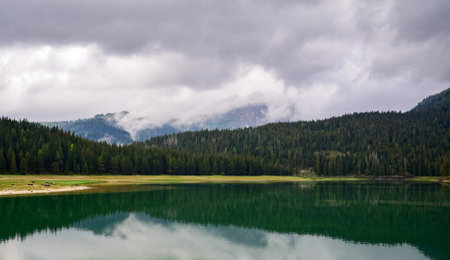
1. Introduction to Eco-Friendly Kayaking in the UK
Kayaking and wild camping along the UK’s rivers and lakes is a unique way to experience the nation’s stunning natural beauty, but it comes with responsibilities. As more paddlers take to British waterways, the need for sustainable practices becomes increasingly important—not just for environmental preservation but also to comply with local laws and regulations. The UK boasts an intricate network of rivers, canals, and lakes, many of which pass through protected habitats and private lands. Therefore, understanding how our actions impact these ecosystems—and what’s required by law—is essential for any outdoor enthusiast hoping to enjoy these landscapes responsibly. This article explores why adopting eco-friendly kayaking and camping habits matters, offering practical advice rooted in both environmental awareness and legal obligations specific to Britain’s unique waterways.
Planning Your Paddle: Choosing Sustainable Gear
Setting out on a kayaking and camping adventure across the UK’s rivers and lakes is an unforgettable experience, but it pays to be mindful of your environmental footprint right from the planning stage. Selecting the right gear is crucial—not only for your comfort but also for the protection of our cherished waterways and wild spaces. Here’s how you can make eco-friendly choices while kitting up for your next paddling journey.
Opt for Reusable Kit
Single-use items are a major source of pollution in outdoor spaces. Instead, invest in reusable alternatives that are both durable and practical for life on the water. Think stainless steel water bottles, silicone food containers, and lightweight camping cutlery that can be washed and used again trip after trip.
Choosing Environmentally Friendly Materials
The materials you select matter. Look out for kit made from recycled or sustainably sourced materials—such as recycled polyester dry bags or bamboo cooking utensils. These options help reduce demand for virgin resources and limit waste sent to landfill. Whenever possible, check if products are certified by recognised environmental standards like Fairtrade or the Global Recycled Standard.
Recommended UK-Based Eco Brands
| Category | Brand | Sustainable Features |
|---|---|---|
| Kajaks & Paddles | Pyranha Kayaks (Cheshire) | UK-made; uses recycled materials in construction; supports river clean-up initiatives |
| Camping Equipment | Vango (Lanarkshire) | Develops tents with recycled fabrics; commitment to ethical manufacturing |
| Outdoor Clothing | Finisterre (Cornwall) | B Corp certified; uses organic cotton, recycled fibres, and repair services |
| Accessories & Utensils | Wildo UK | BPA-free, reusable campware; compact design reduces pack size and weight |
Key Tips for Sustainable Gear Selection
- Repair over replace: Choose brands that offer repair services or spare parts to extend the life of your kit.
- Pack light: The less you bring, the smaller your impact—prioritise multi-use items.
- Buy local: Supporting UK-based manufacturers reduces transport emissions and boosts local economies.
- Avoid harmful chemicals: Opt for biodegradable soaps and avoid gear treated with PFCs or other persistent chemicals.
By making conscious choices when selecting your kayaking and camping equipment, you’re not just enhancing your own adventure—you’re helping to preserve Britain’s rivers and lakes for future generations of explorers.

3. Leave No Trace: Best Practices Along UK Waterways
If you’re planning a kayaking and camping trip on Britain’s rivers and lakes, following Leave No Trace principles is essential to protect these beautiful landscapes for generations to come. Below are practical tips tailored to the unique environments found throughout the UK, ensuring your adventure is as eco-friendly as possible.
Litter Management: Pack In, Pack Out
Always take all your rubbish with you—including food wrappers, bottles, and even biodegradable waste like orange peels. Many popular spots along the Thames, Lake District, or Scottish lochs suffer from litter left behind by visitors. Bring reusable containers and bags for snacks and meals, and have a designated dry bag just for waste. If you spot litter left by others, do your bit and pick it up—every small action helps preserve these natural spaces.
Respecting Local Wildlife
The waterways of Britain are home to a diverse array of wildlife, from otters and kingfishers to water voles and nesting swans. Paddle quietly and keep a respectful distance from animals; sudden movements or loud noises can cause unnecessary stress. During spring and early summer, be particularly mindful of nesting birds—give them plenty of space, avoid landing near nests, and steer clear of reed beds where chicks may be hiding.
Protecting Native Vegetation
Many riverbanks and lake shores in the UK feature delicate native plants such as bluebells, wild garlic, or rare orchids. When setting up camp or taking a rest break, use established sites rather than creating new ones. Avoid trampling through undergrowth; stick to obvious paths and bare ground where possible. This minimises soil erosion and protects sensitive habitats.
Minimising Campfire Impact
While a small fire might seem cosy after a day on the water, open fires are often discouraged or even prohibited in many areas due to risks of wildfires and habitat damage. Instead, use a portable camping stove for cooking. If fires are permitted (always check local rules), keep them small, use existing fire rings if available, and burn only dead wood that’s already on the ground.
Responsible Human Waste Disposal
If facilities aren’t available, ensure you bury human waste at least 15cm deep and 50 metres away from water sources using a trowel—never leave toilet paper or hygiene products behind. Consider carrying out all waste if possible using specialised bags designed for campers.
Support Local Conservation Efforts
Wherever you paddle in the UK—from the Norfolk Broads to Welsh rivers—look for opportunities to support local conservation initiatives. Many groups offer volunteering days or citizen science projects monitoring water quality or wildlife. Your participation helps keep these environments healthy for future kayakers.
By adopting these Leave No Trace habits while kayaking and camping across Britain’s rivers and lakes, you’ll not only enjoy a cleaner, more peaceful environment but also play an active role in protecting some of the country’s most treasured wild places.
4. Responsible Wild Camping and Access Rights
Understanding where you can legally wild camp and access waterways is essential for eco-friendly kayaking in the UK. The rules vary significantly between Scotland, England, and Wales, so being aware of your rights and responsibilities helps protect both the environment and your adventure.
Wild Camping: Legalities Across the UK
| Region | Wild Camping Rules | Key Points |
|---|---|---|
| Scotland | Permitted under the Scottish Outdoor Access Code | Follow Leave No Trace principles; avoid enclosed fields; respect privacy; stay no more than two nights in one spot |
| England & Wales | Generally not allowed without landowner permission (except parts of Dartmoor) | Seek explicit consent; use designated campsites where possible; stealth camping may be tolerated if discreet and respectful |
Accessing Rivers and Lakes: Know Your Rights
Keen kayakers should note that public access to rivers and lakes also differs by location:
- Scotland: Thanks to the Land Reform (Scotland) Act 2003, responsible access to most inland waters is permitted for paddling and camping, as long as you adhere to the Scottish Outdoor Access Code.
- England & Wales: Many rivers are privately owned or controlled by fishing clubs. While some stretches have public rights of navigation (like the River Thames), others require landowner permission. Always check local bylaws before launching or landing.
The Scottish Outdoor Access Code: What It Means for Kayakers and Campers
The Code encourages minimal impact. Stick to established paths when portaging, keep groups small, take all rubbish away, and avoid disturbing wildlife—especially during nesting season. Fires should be small, managed responsibly, or avoided altogether.
Summary Table: Responsible Behaviours for Wild Camping & Water Access
| Best Practice | Description/Tip |
|---|---|
| Respect Privacy & Property | Avoid camping near homes or in cultivated fields; always close gates after use. |
| No Trace Left Behind | Packing out all waste, including food scraps and litter. |
| Wildlife Awareness | Keep noise down; observe animals from a distance. |
| Campsite Choice | Select durable ground; avoid soft banks prone to erosion. |
| Fire Safety | If fires are permitted, use a stove or existing fire ring; never leave a fire unattended. |
| Group Size | Smaller groups reduce environmental impact and are less intrusive. |
| Landowner Permission (England/Wales) | If in doubt, ask. Friendly communication goes a long way! |
5. Eco-Friendly Campsite Cooking and Waste Disposal
Keeping your riverside or lakeside campsite as pristine as you found it is a vital part of sustainable kayaking in the UK. From the Lake District to the Norfolk Broads, being mindful about how you cook, store food, and manage waste helps protect these cherished waterways for future generations.
Low-Impact Cooking Methods
Opt for portable camping stoves like a Trangia or Jetboil instead of open fires, which are often prohibited and can cause lasting damage to sensitive habitats. If you must cook over an open flame, always use a raised fire pit or fire bowl, and only where permitted—never leave scorch marks on the grass. Consider pre-cooking meals at home or preparing one-pot dishes to minimise fuel use and cleaning up. In the UK, gas canisters are widely available, but remember to take them home for recycling.
Smart Food Storage Solutions
Avoid single-use plastics by packing food in reusable containers and beeswax wraps. For short trips, a cool bag with ice packs will keep fresh produce safe without needing disposable bags. Store all food securely to prevent wildlife from rummaging through your kit—UK riverside critters like otters or foxes can be surprisingly cheeky! Hang food bags from trees or stash them inside your kayak overnight if needed.
Waste Management: Leave No Trace
Always pack out everything you bring in—including biodegradable rubbish, as even fruit peels can disrupt local ecosystems. Bring compostable bin liners for organic waste and strong bags for recyclables and non-recyclables. In many parts of the UK, public bins may not be available along wild riverbanks, so plan to dispose of all waste responsibly at home or at official facilities after your trip.
Dealing with Greywater
When washing up, use eco-friendly, biodegradable soaps sparingly and always wash dishes at least 30 metres away from any water source. Scatter strained water on soil rather than pouring it directly into rivers or lakes to avoid contamination.
Human Waste: What Are the Options?
If there are no public loos nearby, follow the ‘leave no trace’ principles by digging a small hole at least 15cm deep and 50 metres from water sources (use a trowel). Better yet, invest in a portable toilet bag system like a Wag Bag for maximum minimal impact—these are increasingly popular among UK paddlers and campers.
By adopting these practical approaches to cooking and waste disposal tailored for British waterways, you’ll help ensure our rivers and lakes remain beautiful havens for wildlife—and for future kayak adventures.
6. Supporting Local: Sustainable Tourism on the Water
Eco-friendly kayaking isn’t just about minimising your own environmental impact; it’s also about leaving a positive mark on the communities and landscapes you visit. When paddling and camping along UK rivers and lakes, there are numerous ways to support local economies and conservation efforts, ensuring these precious waterways thrive for generations to come.
Choose Local Providers
Booking your kayak hire, guided tours, or campsite stays with local, independent operators is one of the most effective ways to give back. Many small businesses along the Thames, Lake District, or Scottish lochs rely on responsible tourism for their livelihood. Opting for a family-run outfitter not only provides you with authentic advice and a warmer welcome but also helps keep money circulating within the community rather than flowing to large corporations.
Volunteer Your Time
If you’ve got a free afternoon during your trip, why not pitch in with a local river clean-up or habitat restoration project? Many areas have regular volunteer days organised by river trusts or wildlife groups. It’s a practical way to contribute—whether you’re collecting litter from the banks of the River Wye or helping to plant native reeds along the Norfolk Broads. Not only does this work benefit wildlife, but it also deepens your connection with the landscape and its people.
Donate to Conservation Projects
If volunteering isn’t possible, consider making a small donation to a local river trust or conservation group. Organisations like The Rivers Trust, Canal & River Trust, or local “Friends of” groups run vital projects—restoring fish habitats, monitoring water quality, and campaigning against pollution. Even a modest contribution can help fund essential equipment or educational programmes for schools.
Buy Local and Ethical Supplies
When stocking up for your kayaking expedition, look for locally produced food and eco-friendly gear. Farm shops near popular paddling spots often offer delicious regional produce—from Cumbrian cheese to Cornish pasties—that have travelled fewer miles and support rural jobs. Similarly, choose biodegradable soaps and reusable containers from British brands committed to sustainability.
Share Your Experience Responsibly
Finally, share your positive experiences with others—online reviews highlighting sustainable providers can help other paddlers make greener choices. Mentioning conservation initiatives or local heroes in your stories encourages more visitors to follow suit, amplifying your positive impact beyond just your own adventure.
By actively supporting local communities and conservation schemes during your kayaking trips across the UK’s stunning waterways, you’re ensuring that these environments—and the people who care for them—will flourish well into the future.
7. Conclusion: Paddling for a Greener Tomorrow
As British kayakers, we hold a unique responsibility and privilege when it comes to the conservation of our beautiful rivers and lakes. Our paddling adventures take us to some of the UK’s most pristine and ecologically valuable waterways—places that rely on our respect and stewardship to remain vibrant for years to come. By choosing eco-friendly kayaking practices, such as minimising single-use plastics, opting for biodegradable soaps, using reusable gear, and strictly adhering to Leave No Trace principles, each of us plays a crucial part in protecting these natural habitats.
It’s not just about individual actions, either. Building a community culture of sustainability—sharing best practices with fellow paddlers, organising river clean-ups, supporting local wildlife initiatives, and championing responsible access rights—ensures our collective impact is both positive and far-reaching. When we act together, we create momentum for change that future generations of paddlers will benefit from.
Ultimately, paddling sustainably isn’t just about following rules; it’s about fostering a sense of guardianship over the places we cherish. Let’s continue to lead by example on the water and at our campsites, proving that adventure and environmental responsibility go hand in hand. By doing so, we can ensure that the UK’s rivers and lakes remain healthy, accessible, and full of life—now and long into the future.