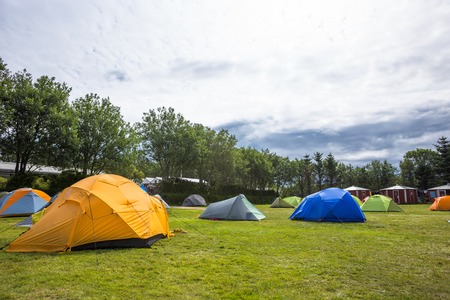
Introduction: The Call of the Wild, Responsibly
There’s a certain magic in the wild corners of Britain—those windswept moors, ancient woodlands, and hidden lakes that seem to hum with history and possibility. For many of us, the urge to escape into these landscapes is irresistible; it’s a longing for simplicity, for the gentle hush of dawn mist rising over a quiet fell, or the scent of bluebells carpeting a springtime forest. Yet, as more of us seek solace under canvas, it’s never been more vital to tread softly. Travelling car-free offers a chance to connect more intimately with nature, slowing down and savouring every detail along the journey. But this choice also comes with a responsibility: to ensure our adventures leave no lasting trace on these cherished places. As we explore camping with a conscience, let us remember that true freedom in the wild is found not just in exploring its beauty, but in preserving it for those who follow.
2. Planning Your Eco-Friendly Getaway
Embarking on a camping adventure without a car not only lightens your environmental footprint, but also invites you to embrace the gentle rhythm of travel that Britain’s countryside inspires. Thoughtful planning is key to ensuring your journey is as green as your destination, and the UK offers a tapestry of sustainable travel options waiting to be explored.
Journeying by Public Transport
Britain boasts an extensive network of trains and buses that weave through cities, towns, and rural landscapes. Whether you’re heading for the wilds of Dartmoor or the serene shores of the Lake District, most popular camping spots are surprisingly accessible by public transport. National Rail and local bus services often stop within walking distance of campsites or nearby villages, making it simple to swap car keys for a railcard.
Handy Tips for Public Transport Travel
- Book Ahead: Advance tickets for trains can be significantly cheaper and ensure a reserved seat during peak seasons.
- Use Journey Planners: Try apps like Trainline or National Express to map out your route door-to-door.
- Consider Railcards: If you’re under 30, over 60, or travelling as a group, railcards offer generous discounts.
Cycling and Walking Routes
If you yearn for an even more immersive experience, cycling or walking opens up Britain’s national trails and scenic byways. The National Cycle Network connects urban centres with rural gems, while footpaths such as the South West Coast Path or Pennine Way promise breathtaking views at every turn.
| Route Type | Example | Sustainability Tip |
|---|---|---|
| Cycling | C2C (Sea to Sea) Route | Pack light; use panniers instead of rucksacks for better balance. |
| Walking | Hadrian’s Wall Path | Plan daily stages; book eco-friendly B&Bs or campsites along the way. |
| Public Transport + Walking/Cycling | Lakes Line train to Windermere, then walk/cycle to campsite | Check local shuttle buses for last-mile journeys in rural areas. |
Sustainable Arrival at Campsites
Many campsites in the UK now actively welcome car-free campers, sometimes offering discounts or perks for those arriving via public transport or bike. Before setting off, contact your chosen site to ask about luggage transfers, directions from the nearest station, or recommendations for traffic-free approaches. With a little forethought, your eco-adventure becomes part of the journey itself—each step treading lightly across Britain’s green and pleasant land.

3. Packing with Purpose: Waste-Reducing Essentials
Setting out for a car-free camping adventure in the UK’s wilder corners calls for thoughtful preparation, particularly when it comes to what you pack. The British climate—often cool, sometimes damp, occasionally dazzling—demands kit that’s both practical and gentle on the planet. By curating your essentials with care, you can tread lightly while enjoying the beauty of nature.
Reusable Containers & Food Solutions
Swap single-use plastics for sturdy, reusable alternatives. Stainless steel lunch boxes, bamboo cutlery, and silicone food wraps are must-haves for waste-free picnics along the coast or beneath ancient woodland canopies. A collapsible cup or flask is perfect for a restorative cuppa on a misty morning—just ask your local café to fill it, saving another paper cup from landfill.
Eco-Friendly Hygiene Products
The unpredictable British weather makes personal hygiene essentials all the more important. Opt for biodegradable wet wipes (or better yet, a soft flannel), solid shampoo bars, and refillable toiletry bottles filled with natural products. These choices ensure that any run-off won’t harm nearby streams or sensitive moorland habitats.
Layered Clothing & Sustainable Fabrics
Packing light doesn’t mean skimping on comfort. Choose clothing made from recycled or organic fibres—think merino wool base layers or recycled polyester fleeces—to keep you cosy through drizzle or sunshine. Layering is key for the changeable UK weather and reduces the temptation to overpack.
Leave No Trace Mindset
Every item in your rucksack should serve a clear purpose and be designed for multiple uses. From beeswax wraps to solar-powered torches, each piece of kit becomes part of your commitment to leaving no trace. In this way, every trip becomes an act of stewardship: respectful, mindful, and woven into the very fabric of Britain’s storied landscapes.
4. Leave No Trace: Respecting Britain’s Wild Spaces
The rolling hills of the Lake District, the windswept moors of Dartmoor, and Scotland’s ancient woodlands all share a fragile beauty that deserves our utmost respect. When camping car-free, your connection to the landscape is already intimate—walking, cycling, or arriving by train immerses you in every detail of your surroundings. To truly camp with a conscience in the UK, embracing the principle of “Leave No Trace” is both an ethical commitment and an act of gratitude.
Responsible Wild Camping Etiquette
In Britain, wild camping laws vary: it’s generally permitted in much of Scotland under the Scottish Outdoor Access Code, but elsewhere you’ll need landowner permission. Wherever you pitch your tent, follow these golden rules:
| Action | Why It Matters |
|---|---|
| Camp discreetly & out of sight | Preserves natural views and minimises disturbance to wildlife and fellow walkers |
| Stay just one night per spot | Reduces impact on ground vegetation and prevents areas from becoming overused |
| Pitch late, leave early | Keeps wild spaces feeling untouched for others and lessens human presence |
| Pack out all rubbish (including food scraps) | Protects local wildlife and keeps the countryside pristine for everyone |
| Bury human waste responsibly (at least 15cm deep, 50m from water) | Prevents pollution and respects other visitors’ experiences |
Mindful Campfire Practices
A glowing fire under star-studded skies is tempting, but campfires can scar delicate landscapes and pose wildfire risks. In most parts of England and Wales, open fires are discouraged or prohibited on access land. Instead:
- Use a portable camping stove for cooking—efficient and leaves no trace.
- If fires are allowed, keep them small, use existing fire rings if present, and burn only dead wood found on the ground.
- Douse thoroughly with water before leaving; never leave embers smouldering.
- Avoid burning plastics or foil—these release toxins and litter the land.
The Art of Treading Lightly
Cherish every footstep across heather and moss. Stick to established paths where possible, especially in fragile upland areas. Resist picking flowers or disturbing stone walls and ancient trees. Let your presence be as fleeting as morning mist—memorable only for your care.
Your Legacy: Pristine Paths for Future Wanderers
The true heart of British camping lies not in conquering summits or capturing photos, but in nurturing the landscapes that sustain us all. By weaving “leave no trace” into each moment of your car-free journey, you honour both wild places and those yet to discover them.
5. Supporting Local and Sustainable
One of the most meaningful ways to camp with a conscience across the British countryside is to support local communities and sustainable initiatives along your journey. When travelling car-free, you often find yourself meandering through picturesque villages, coastal hamlets, or rural market towns—each brimming with its own unique charm and character. Rather than relying on large supermarkets or imported goods, take the opportunity to shop at village markets, farm shops, or independent grocers. Here, you’ll discover fresh seasonal produce, homemade chutneys, cheeses from local dairies, and artisan breads that reflect the region’s heritage.
Opting for British-made camping gear and supplies not only reduces transport emissions but also helps nurture local craftsmanship. Seek out woollen blankets woven in Yorkshire mills, enamelware from Staffordshire, or natural soaps hand-poured in Devon. These thoughtful choices mean your adventure is woven into the fabric of British life, supporting small businesses who care deeply about their craft and community.
Furthermore, consider contributing to conservation efforts wherever you set up camp. Many sites across the UK partner with charities or run their own initiatives—such as rewilding projects in Scotland or beach cleans along the Cornish coast. A small donation or an afternoon volunteering can make a tangible difference to local habitats and wildlife. By consciously spending your time and money in these ways, you help ensure that Britain’s wild spaces remain vibrant and welcoming for generations of campers yet to come.
Rain or Shine: Embracing the Elements Sustainably
In Britain, the weather is as much a part of the camping experience as the rolling hills and ancient woodlands. Rather than shying away from a drizzly forecast, approach each day outdoors with both mindfulness and resourcefulness, weaving sustainability into every choice. British rain can be more friend than foe—consider bringing along a collapsible basin or sturdy bucket to collect rainwater. This harvested water can be used for washing up or even watering plants at your pitch, reducing reliance on bottled or tap water and honouring natural cycles.
Layered clothing is your best ally against our famously unpredictable skies. Opt for natural fibres such as organic cotton or wool, which offer warmth, breathability, and biodegradability. Pack waterproofs made from recycled materials if possible, sidestepping disposable ponchos that too often end up in landfill. By layering wisely, you can adapt to shifting temperatures without resorting to energy-hungry gadgets like portable heaters.
When it comes to lighting up your evenings under the stars, favour solar-powered lanterns or wind-up torches over battery-operated options. These choices illuminate your site without drawing on finite resources or leaving behind hazardous waste. Similarly, embrace simple pleasures—brew a cup of tea over a low-impact stove or gather for stories beneath a tarp rather than burning through single-use barbecues or firewood. Remember, energy saved is nature preserved.
British weather might test your patience now and again, but it also offers a chance to forge a deeper connection with the land. Each gust of wind or unexpected shower becomes an invitation to slow down and savour the moment—a gentle reminder that true adventure lies not in conquering nature, but in living harmoniously alongside her ever-changing moods.
7. Reflection: The Lasting Beauty of Conscientious Adventures
There’s a quiet magic in waking up beneath a sky brushed with dawn, surrounded by the gentle hush of British countryside. As you pack away your tent, leaving only softened grass and sweet memories behind, you realise that travelling car-free isn’t merely a means to an end—it’s a mindful choice that threads you closer to the landscapes you cherish. Every step taken on foot or pedal, every thoughtful decision to reduce waste or support local, is a promise made to future adventurers: these wild places will remain unspoilt, brimming with life and stories yet to unfold. In caring for nature, we nurture something within ourselves—a sense of connection, gratitude, and hope. Let this be our gentle reminder: the true reward of conscientious camping lies not just in breathtaking views or tranquil nights under canvas, but in knowing we are guardians of the land’s enduring beauty.