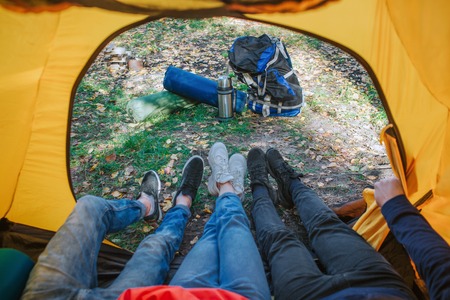
Introduction to Car Camping and Backpack Camping in the UK
When planning a family adventure in the British outdoors, understanding the differences between car camping and backpack camping is essential. Car camping involves driving to a campsite with your vehicle, allowing you to pack more gear and creature comforts. In contrast, backpack camping means carrying all essentials on your back, prioritising lightweight and compact items. Across the UK, families often choose destinations such as the Lake District, Peak District, Snowdonia, or the Scottish Highlands for these experiences. Car camping is typically more suitable for families with young children or those new to outdoor living, offering greater convenience and flexibility. Backpack camping appeals to families seeking a wilder, more immersive experience, often requiring physical endurance and careful planning. Recognising these primary differences helps UK families select the right approach for their next countryside or coastal escape.
2. Essential Gear: What to Pack for Each Style
When it comes to car camping and backpack camping, UK families will find that packing lists can look quite different due to variations in comfort, weather resilience, and the need to carry gear. Below is a detailed comparison of the core equipment and supplies required for each style, considering the often unpredictable British climate, diverse terrain from Lake District hills to Cornish beaches, and convenience.
| Item | Car Camping | Backpack Camping |
|---|---|---|
| Shelter | Larger family tent (with standing height), heavy-duty pegs, tarps for extra cover | Lightweight, compact tent or bivvy bag, minimal pegs, groundsheet |
| Sleeping Gear | Thick airbeds, full-size sleeping bags (3-4 season recommended), pillows, extra blankets | Light sleeping mat or foam pad, compressible 3-season sleeping bag, inflatable pillow (optional) |
| Cooking Equipment | Double burner stove, cool box, pots & pans set, utensils, proper crockery, larger water containers | Small camping stove (gas canister type), 1-2 lightweight pots, spork or multi-use utensil, collapsible mug, water filter or purification tablets |
| Clothing | Full change of clothes per day, wellies for wet ground, insulated jackets, waterproofs (stored in car if not needed) | Minimal clothing: moisture-wicking base layers, one spare set, packable waterproof jacket & trousers |
| Lighting & Power | Large lanterns, string lights, battery packs for devices (charged in car) | Head torch with spare batteries, lightweight power bank |
| Food & Supplies | Cool box with fresh food, snacks in bulk, easy access to supermarkets en route | Dehydrated meals or boil-in-the-bag options, high-calorie snacks (nuts, flapjacks), minimal perishables |
| Other Essentials | Campsite chairs and table, windbreaks, games and books for children, first aid kit (comprehensive) | Pocket first aid kit, map & compass or OS Maps app on phone, multi-tool |
Packing for the British Weather and Terrain
The UK’s variable weather means waterproofs and layered clothing are crucial for both styles. Car campers can afford to pack heavier rain gear and even wellies for muddy sites. Backpackers must prioritise lightweight waterproof jackets and quick-drying trousers. For both groups, sturdy footwear is non-negotiable — walking boots are preferable for hilly areas like Snowdonia or the Peak District.
Convenience vs. Portability
The car offers a “mobile basecamp,” so families can bring comforts such as extra bedding and toys. Backpackers must trim their kit ruthlessly; every gram counts when trekking over Dartmoor tors or Scottish glens. It’s worth investing in high-quality lightweight gear for backpack trips — especially with young children in tow.
Summary Table: Packing Priorities by Style
| Packing Priority | Car Camping | Backpack Camping |
|---|---|---|
| Comfort Items | High (chairs, big tents) | Low (only essentials) |
| Weight Limitations | Minimal concern | Critical concern |
| Adaptability to Weather | Easier to pack extras | Must balance protection vs. weight |
| Food Options | Diverse (fresh & cooked meals) | Simplified (dry or quick-cook food) |
This essential gear overview highlights how careful planning — and an honest assessment of your family’s needs — ensures a safe and enjoyable camping experience across the UK’s varied landscapes.

3. Space, Comfort, and Convenience Considerations
When British families weigh up car camping versus backpack camping, the available space and comfort level are starkly different, directly impacting what can be packed for a trip. With car camping, families can make full use of their vehicle’s boot space—meaning it’s perfectly feasible to bring along folding chairs, tables, larger tents, and even camp beds or air mattresses. Creature comforts such as proper duvets, kitchen sets, and cool boxes for chilled food become practical additions. The convenience of having a car nearby also means families can pack more varied clothing to suit unpredictable British weather—raincoats, wellies, and even extra blankets are all manageable.
In contrast, backpack camping demands a much more minimalist approach. Every item needs to earn its place in the rucksack, as families will be carrying all equipment on their backs—often across uneven UK terrains like the Lake District or Scottish Highlands. This means prioritising lightweight gear: compact sleeping bags, small stoves, and minimal cookware. Food choices tend to focus on dehydrated meals and snacks that don’t require refrigeration. Clothing is stripped back to essential layers that dry quickly and serve multiple purposes. Comfort is compromised for portability; luxuries like chairs or large pillows are left at home.
Ultimately, car camping offers more flexibility for bringing familiar comforts from home, making it a popular choice for UK families with young children or those new to the outdoors. Backpack camping, meanwhile, teaches resourcefulness and efficiency—valuable lessons for older children and adventurous families looking to immerse themselves in nature with only what they can carry.
4. Food and Cooking: Planning for British Tastes
When it comes to meal planning and cooking, car camping and backpack camping offer vastly different experiences for UK families. Your approach to food must balance tradition, practicality, and those little comforts that make a British camp feel special.
Meal Planning Strategies
For car campers, the luxury of space means you can prepare more elaborate meals and enjoy classic British favourites. Think full English breakfasts, bacon sarnies, or even a comforting stew simmered over a portable stove. With access to coolboxes or even electric coolers (thanks to car power), perishables like sausages, eggs, and cheese are easy to bring along. On the other hand, backpackers must prioritise weight and simplicity—dried foods, instant porridge, and packet soups become essential staples. Meal options are typically limited to what fits in a rucksack and can be cooked quickly on a lightweight stove.
Typical Meal Options Comparison
| Car Camping | Backpack Camping |
|---|---|
| Full English breakfast (sausages, eggs, beans) | Porridge oats with dried fruit |
| Grilled burgers or veggie patties | Noodle pots or couscous packets |
| Baked potatoes with cheese & beans | Instant soup with oatcakes |
| Fresh salads with cold meats or cheese | Tinned fish with crackers |
| Cream tea (scones & jam, flask of tea) | Energy bars & tea bags (just add hot water) |
Storage Options
The British climate is notorious for its unpredictability—so keeping your food fresh and safe is vital. In car camping scenarios, coolboxes are a staple item; some families even use plug-in fridges for longer stays. Dry goods can be stored in crates or plastic boxes to keep them away from damp ground and curious wildlife. Backpackers face more challenges: food must be packed into resealable bags or lightweight containers, making sure it’s protected from both rain and animals. Insulated pouches help keep things cool for a short time but most perishables are best avoided on longer treks.
Food Storage Comparison Table
| Car Camping Storage | Backpack Camping Storage |
|---|---|
| Coolbox/electric fridge for perishables | Resealable bags & insulated pouches for essentials |
| Plastic crates for dry food & snacks | Lightweight drybags/containers for all food items |
| Larger bins to deter wildlife overnight | Bear-proof bag (for wild areas like Scotland) |
Traditional UK Campfire Fare
No family camping trip in the UK feels complete without some nostalgic campfire treats. Car campers have the kit and space to try out classics like toasted marshmallows, jacket potatoes wrapped in foil, or even ‘bannock’ bread cooked on sticks. A kettle over the fire for proper tea is almost mandatory! Backpack campers can still enjoy simple pleasures—boil-in-the-bag rice pudding or a mug of instant hot chocolate after a long walk hits the spot. Simplicity rules when every gram counts but comfort foods shouldn’t be overlooked.
Packing Tip:
If you’re car camping, don’t forget a tin of baked beans—the ultimate British side dish! For backpackers, stock up on individually wrapped tea bags and mini packets of oatcakes—lightweight yet filling.
5. Weatherproofing and Safety in the British Outdoors
British weather is notoriously unpredictable, so whether you’re car camping or backpack camping, effective weatherproofing and safety measures are essential for UK families.
Adapting to Changeable Conditions
For car campers, it’s practical to pack heavier waterproof gear, including sturdy tarps, extra ground sheets, and windbreaks. Families can bring spare blankets and insulated mats to combat chilly nights. With the car nearby, stashing wellies, waterproof jackets, and umbrellas is a wise move. For backpack campers, every gram counts; choose lightweight but reliable waterproofs, such as a compact rain poncho or a packable jacket. Quick-drying clothing is invaluable—opt for synthetic base layers over cotton to stay warm even if caught in a downpour.
Staying Safe Outdoors
Safety should be at the forefront of your packing list. Car camping allows you to bring a more comprehensive first aid kit, extra torches, and even portable power banks for phones. It’s also feasible to include larger items like fire extinguishers or carbon monoxide alarms if using gas appliances inside awnings. For backpackers, streamline your safety gear: a compact first aid kit with essentials like plasters, antiseptic wipes, blister pads, and pain relief tablets is key. A lightweight emergency shelter or bivvy bag is wise for sudden weather shifts. Always ensure someone knows your route and expected return time.
Comfort Considerations for Families
Comfort is especially important when camping with children. Car camping offers flexibility for home comforts—think hot water bottles, pillows, favourite snacks, and extra dry clothes stored in the boot. For backpack camping, focus on compact comfort items like inflatable pillows or small soft toys for little ones. Keep spirits high by packing familiar treats and planning regular check-ins on warmth and dryness.
Final Tips for British Camping Success
No matter your chosen style, always check local weather forecasts before heading out and prepare for all eventualities—a sunny morning can quickly turn into a wet afternoon in the UK countryside! Layering clothes, packing spares in dry bags, and bringing versatile kit will help your family stay safe and comfortable whatever the British skies have in store.
6. Packing Tips and Tricks for UK Families
Packing for a camping trip in the UK requires a thoughtful approach, balancing efficiency, respect for local regulations, and environmental responsibility. Whether you’re car camping or heading out on a backpacking adventure, making smart choices will help your family enjoy the experience while minimising hassle and impact.
Efficient Packing Strategies
Car Camping: Utilise storage boxes or soft-sided bags to organise gear by category—kitchen, sleeping, clothing, and entertainment. Make use of your car’s boot space, but avoid overpacking; only bring essentials to prevent clutter. For families, pack each child’s kit separately for easy access.
Backpack Camping: Prioritise lightweight and multi-purpose items. Share gear where possible (e.g., one stove or tent for the group) and stick to the “one in, one out” rule for clothing. Lay everything out before packing to avoid unnecessary duplication.
Local Regulations and Site Culture
Many UK campsites have specific rules about noise, campfires, and waste disposal. Always check regulations in advance and pack accordingly—bring a portable fire pit if open fires are allowed, or a gas stove if not. Remember that wild camping is restricted in most of England and Wales (with more flexibility in Scotland), so be discreet and follow Leave No Trace principles if venturing off-grid.
Waste Management
Bring rubbish bags and separate recycling where facilities allow. Many sites expect you to take your waste with you; plan for this by packing lightweight bins or containers.
Respectful Camping Gear Choices
Use muted-colour tents and tarps to blend with the landscape and respect the tranquil atmosphere cherished at many UK sites. Avoid noisy equipment like generators unless specifically permitted.
Eco-Friendly Packing Choices
Select reusable containers, cutlery, and water bottles instead of single-use plastics. Choose biodegradable soaps and detergents, especially when using outdoor washing-up areas. For car camping, consider solar-powered lanterns or chargers to reduce battery waste.
Final Thoughts
The key to successful family camping in the UK is thoughtful preparation: pack light but smart, respect local customs and regulations, and always strive to leave campsites better than you found them. By adopting these practical tips, your family can enjoy memorable adventures—whether you’re rolling up in a packed estate car or trekking with everything on your backs.