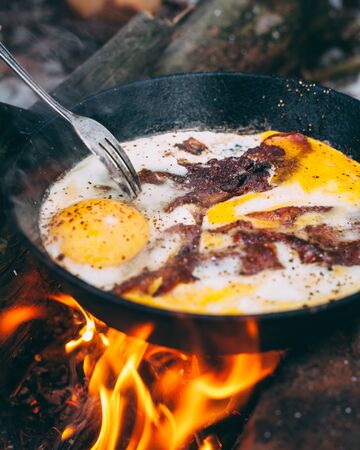
Embracing the Drizzle: Why Wet Weather Makes for the Best Campfire Cooking
There’s something undeniably British about pitching a tent and lighting a campfire even as the rain gently falls around you. In the UK, the weather is as much a part of the camping experience as the rolling hills and ancient woodlands. Instead of shying away from a drizzly forecast, many seasoned campers see it as an invitation to enjoy the outdoors in its most authentic state. Cooking over a campfire in the damp is a rite of passage—one that transforms a simple meal into a memory steeped in the scent of woodsmoke and rain-soaked earth. The sound of rain pattering on canvas, the warmth of the fire against the chill, and the satisfaction of tucking into hearty British fare make for a truly cosy experience. With a few clever tips—like using waterproof matches, bringing a sturdy brolly, and choosing classic recipes that thrive in moist conditions—you can turn even the soggiest British campsite into your own rustic kitchen. Embrace the drizzle, and discover how cooking outdoors in the wet can be the highlight of your next British adventure.
Campfire Set-Up Strategies in the Rain
Let’s face it: British weather is famously unpredictable, and that drizzle can turn into a proper downpour in no time. But don’t let soggy conditions dampen your campfire cooking plans. With a bit of know-how and preparation, you can build a reliable fire that keeps going even as the mist rolls in. Here’s how to keep spirits high and flames burning when the heavens open.
Practical Fire Building in Damp Weather
The key to a successful campfire when it’s wet out is all about groundwork. Start by picking a sheltered spot—look for natural windbreaks like thick hedges or the leeward side of a sturdy stone wall. Elevate your fire bed with a layer of dry sticks or stones to keep it off the soaked ground. Use a base of silver birch bark or waxed cotton wool as tinder; both catch easily, even when humidity is high.
Shelter Hacks to Beat the Drizzle
Improvisation is everything in classic British camping style. String up a tarp between trees at an angle to allow water runoff, creating a dry workspace over your fire area. If you’re short on kit, even a large umbrella rigged cleverly can give temporary relief while you get things going. Always ensure there’s enough ventilation so smoke can escape safely.
Essential Campfire Kit for Wet Conditions
| Kit Item | Why It Matters |
|---|---|
| Stormproof Matches/Lighter | Ignites reliably despite wind and rain |
| Drybag for Kindling & Tinder | Keeps essential fire-starting materials bone dry |
| Tarp or Basha Sheet | Creates instant shelter for fire and cooks |
| Folding Saw | Makes gathering and prepping wood easier in poor weather |
| Fire Steel (Ferro Rod) | A backup ignition source that works wet or dry |
No matter how persistent the drizzle, these strategies and bits of kit will help you stay cheerful—and well-fed—around your British campfire. Embrace the mist, keep your fire roaring, and you’ll be tucking into traditional recipes in true local style.

3. Classic British Comforts: Recipes for Rainy Campfires
When you’re huddled under a brolly and the drizzle’s pattering on your tent, there’s nothing quite like tucking into classic British comfort food cooked over an open flame. These tried-and-tested recipes have stood the test of time—and weather. Let’s start with the ever-reliable sausage bap. Thick Cumberland sausages, grilled till golden over hot coals, sandwiched in a soft white roll and slathered with English mustard or brown sauce—simple, hearty, and unbeatable when you need to warm up. For those after something even more substantial, a bubbling stew is the way to go. Pack a Dutch oven or heavy pan and simmer chunks of beef, carrots, potatoes, and onions in a rich ale gravy right by your campfire. The longer it bubbles, the better it tastes—plus, the steamy aroma cuts through any damp chill lingering in the air.
If you’ve got a sweet tooth, don’t miss out on baked apples—a staple at autumn bonfire nights across Britain. Core out a few Bramley apples, stuff them with sultanas and brown sugar, then wrap them in foil and nestle them among the embers. Twenty minutes later you’ll have a piping-hot pudding that’s sticky, comforting, and quintessentially British. These recipes aren’t just practical—they’re part of our national heritage, designed to lift spirits even as the rain pours down.
4. Sourcing Local British Ingredients for Campfire Feasts
Nothing makes a campfire meal feel more authentically British than using locally-sourced produce, especially when the weather is drizzly and you’re after that comforting, rustic flavour. The joy of cooking outdoors in the UK comes from embracing what’s around you – whether you’re tucked away in the Lake District or beside a Cornish cove. Here’s how to get the most out of regional ingredients and make your cookout feel unmistakably British.
Foraging Essentials: What to Look For
The British countryside is a treasure trove of wild edibles that can elevate your campfire recipes. Even in damp weather, classic finds like wild garlic, blackberries, nettles, and elderflowers are abundant across much of the UK. Remember to forage responsibly: always be 100% sure of your identification, take only what you need, and respect local guidelines.
| Ingredient | Best Region | Best Season | Traditional Use |
|---|---|---|---|
| Wild Garlic | Woodlands nationwide | Spring | Savoury breads, soups |
| Nettles | Countryside hedgerows | Spring-Summer | Nettle soup, tea |
| Blackberries | Everywhere! | Late Summer-Autumn | Crumble, sauces |
| Elderflower | Hedgerows & lanes | Early Summer | Cordial, fritters |
| Mussels & Cockles | Cornwall, Wales coasts | Year-round (check tides) | Stews, chowders |
| Lamb & Root Veg | Yorkshire Dales, Cotswolds | Autumn-Winter | Hotpot, stews |
Making Your Campfire Cookout British to the Core
The secret to a truly British campfire feast lies in celebrating local flavours. Swap generic supermarket sausages for Cumberland or Lincolnshire bangers if you’re up north; try Stornoway black pudding or Cornish new potatoes depending on your location. Visit farm shops or chat with locals at village markets to source fresh eggs, cheese, or even regional ales that pair perfectly with your dishes.
Clever Tips for Wet-Weather Foraging & Cooking:
- Mushrooms: After rainfall, hunt for field mushrooms or chanterelles in open grassland or woodland clearings (always double-check species).
- Herbs: Rosemary and thyme grow well in British gardens and hedgerows; add sprigs to fire-roasted meats or root veg for authentic aroma.
- Berries: Use rain-ripened blackberries for sweet sauces or puddings; they’re plentiful along rural footpaths come late summer.
- Mussels: If you’re on the coast during a wet spell, fresh mussels steamed over your fire with cider and wild garlic make a warming treat.
Regional Pairings to Try by the Fire:
- Lancashire Hotpot: Local lamb, potatoes and onions cooked slowly in a cast iron pot over embers.
- Cornish Chowder: Mussels, cockles and root veg simmered with fresh herbs and cream.
- Kentish Blackberry Cobbler: Wild-picked blackberries baked beneath a scone topping in a Dutch oven.
Tapping into Britain’s bounty not only makes your campfire meals tastier but also grounds your outdoor experience in genuine local character—even when it’s drizzling all around!
5. Keeping Morale High: Cosy Drinks and Fireside Treats
There’s nothing quite like a mug of something warm when the British drizzle refuses to let up. After a day spent braving the elements, it’s time to gather round the campfire and indulge in some classic comforts that are sure to raise everyone’s spirits.
Hot Chocolate with a Twist
Forget the instant sachets—real campfire hot chocolate is all about rich, velvety warmth. Start by heating whole milk over the fire (a sturdy enamel pan works wonders). Stir in dark chocolate pieces and a pinch of sea salt until melted and glossy. For a grown-up version, add a glug of whisky or Bailey’s, and finish with a dollop of whipped cream. If there are little ones about, marshmallows are non-negotiable—toast them on sticks before dropping them in for gooey decadence.
Savoury Nibbles for Soggy Evenings
When rain dampens more than just your clothes, quick snacks are essential. Try cheese toasties cooked in a cast iron pan—just good bread, mature cheddar, and a swipe of English mustard, toasted until golden. Scotch eggs also make an excellent fireside treat: prepare them at home, then slice and share around the fire for a hearty bite. For a lighter touch, oatcakes with chunks of crumbly Wensleydale or a pot of chutney hit the spot.
Sweet Treats: Classic British Comfort
No British campfire is complete without a sweet finish. Wrap slices of fruit loaf in foil with butter and toast them in the embers—simple, satisfying, and deeply nostalgic. Or try traditional flapjacks: oats, golden syrup, and butter pressed into a tin and cooked over the coals until just set. The result? Chewy, moreish bites perfect for nibbling with a hot cuppa.
Don’t Forget the Brew
A steaming cup of tea is practically a British birthright, whatever the weather. Bring a sturdy teapot or just brew directly in your camping kettle. Go classic with builders’ tea or add a slice of lemon for brightness. Serve with biscuits (bourbons or digestives are firm favourites) and you’ll soon find any dampened moods lifting amongst the laughter and warmth of the fire.
Final Thought
Embracing wet-weather camping is all about comfort, camaraderie, and making memories—so don’t underestimate the power of simple treats and classic drinks to keep morale high when the drizzle sets in.
6. Cleanup in the Cloud: Tackling Wet Weather Washing-Up
After feasting on steaming stews and toasty crumpets under a mizzly British sky, the less glamorous side of campfire cooking emerges: the big clean-up. But a spot of drizzle needn’t put a dampener on your tidying spirit. With a few rain-friendly techniques, you can keep your pitch spick-and-span—rain or shine—and ensure your kit stays ready for tomorrow’s breakfast baps.
Choosing Your Washing-Up Spot Wisely
First things first: pick a sheltered nook. A dense hedge, a tarpaulin rigged between trees, or even the lee side of your tent will keep most of the weather off as you scrub. If there’s nothing suitable nearby, don your waterproofs and create a makeshift cover with an extra groundsheet or poncho. You’ll thank yourself when you’re not elbow-deep in suds and rainwater.
Rain-Smart Gear Handling
Keep washing-up bowls and utensils tucked away until needed; nothing’s worse than soggy tea towels before you’ve even started. Opt for collapsible silicone tubs—they’re lightweight, quick to dry, and easy to stash away between showers. Drying racks are rarely practical when it’s tipping it down, so bring along microfibre towels for speedy hand-drying and wrapping up damp gear before stashing it in your rucksack.
Leave No Trace—Even in the Wet
Boggy ground can quickly turn into a muddy mess, so be mindful where you dispose of wash water. Use biodegradable soap and pour waste water at least 30 metres from streams or lakes. Scatter it over a wide area rather than dumping it in one spot to avoid flooding the grass or creating slippery patches around camp.
Packing Down Like a Pro
If you’re breaking camp while it’s still drizzling, pop any wet pots and kit into dry bags lined with bin liners; this keeps the rest of your gear bone dry and makes unpacking at home far less grim. And if you’ve used firewood or kindling, return any unused bits to where you found them or stack them neatly for the next rain-soaked adventurer.
Final Thoughts: Drizzle-Proof Diligence
Wet weather doesn’t have to mean muddy chaos at meal’s end. With clever planning and a little British stoicism, cleaning up after campfire classics is simply another part of the adventure—one that leaves your campsite as pristine as you found it, no matter how heavy the drizzle.