Introduction: Kindling Heritage by the Fire
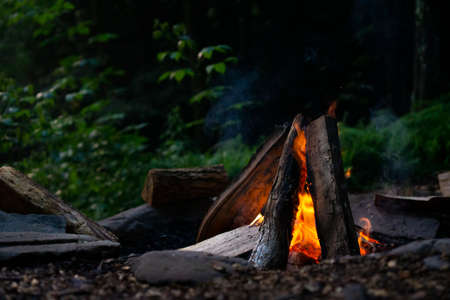
There is something profoundly evocative about the crackle of a campfire beneath the open British sky—a sensory tapestry woven from smoke, warmth, and the gentle hush of twilight. Here, on dew-laced moorlands or deep within ancient woodlands, the age-old tradition of bushcraft bread-making stirs to life. Across centuries, our ancestors gathered around flames much like these, hands dusted with flour, laughter mingling with birdsong and embers. Baking bread over a fire is not merely sustenance; it is a ritual that threads together history, community, and the enduring spirit of the British outdoors. As we revive the art of crafting bannock and rustic loaves at the fireside, we rekindle more than just coals—we awaken a shared memory of resilience and conviviality, where every loaf tells a story steeped in heritage.
2. The Origins of Bannock and Bush Bread
Bannock and campfire bread hold a cherished place in the tapestry of British culinary heritage, their origins woven through centuries of rural life and wild landscapes. These rustic loaves, with their earthy simplicity and adaptability, trace back to ancient times when grains were first ground by hand on stone querns and baked over embers.
In the windswept Scottish Highlands, bannock emerged as a staple, its name derived from the Gaelic “bannach,” meaning morsel. Made from barley or oat flour, it was traditionally cooked on a flat griddle—known as a “girdle”—over an open hearth. Across England and Wales, similar breads were prepared for shepherds, wayfarers, and farmhands who needed nourishment during long days on the land or journeys through woodlands. These early breads were not only sustenance but also symbols of community and survival, shared around the glowing warmth of a campfire after a days toil.
The techniques for making bush bread and bannock were passed down through generations, often adapting to local ingredients and customs. Whether mixed with wild herbs, dried fruits, or simply seasoned with salt from coastal shores, these breads reflected the resourcefulness of country folk making do with what nature provided. Their journey through history mirrors the evolving relationship between people and place—from Neolithic settlements to Victorian expeditions into Britains wilder corners.
| Bread Type | Region | Main Ingredients | Traditional Cooking Method |
|---|---|---|---|
| Bannock | Scotland & Northern England | Barley or Oat Flour, Water, Salt | Griddle (Girdle) over open fire |
| Campfire Bread (Bush Bread) | England & Wales | Wheat Flour, Yeast or Baking Soda, Water/Milk | Stick-baked or skillet over embers |
Today, reviving these time-honoured methods invites us to slow down and reconnect with Britains natural rhythms. Each loaf carries echoes of the past—the hands that kneaded dough beside riverbanks or under sheltering oaks—and reminds us that even in our modern world, something as simple as bread can evoke deep-rooted memories of place and belonging.

3. Gathering and Preparing Ingredients: Foraging and Flour
To truly revive the ancient art of British bushcraft baking, one must begin with a gentle ramble across dew-frosted meadows and along the hedgerow-laced lanes of the countryside. Here, every footstep is an invitation to forage for ingredients that have shaped our rustic loaves for centuries. Oats and barley, the backbone of traditional bannock and campfire bread, are as much a part of the British landscape as the rolling hills themselves. Their earthy scent mingles with wild herbs—think wood sorrel, nettle, or sweet cicely—plucked fresh from sun-dappled verges.
There’s a particular magic in gathering these elements by hand. Fingers dusted with flour ground from local grains, you measure each scoop with intuition rather than scales. The ritual is unhurried: sifting the flour beneath an open sky, kneading dough on a weathered wooden board while birdsong tumbles through the trees. The breeze carries the fragrance of wild thyme and damp earth, infusing your simple ingredients with the soul of the land itself.
This slow preparation connects us to those who baked before us—shepherds warming hands over embers, travellers sharing bannock at dawn. As you gather and prepare, you become part of this enduring tradition, finding beauty in simplicity and joy in every crumb shaped by nature’s own larder.
4. Campfire Baking Techniques: From Embers to Iron
There’s something undeniably enchanting about baking bread and bannock over an open fire, with the aroma of dough mingling with woodsmoke beneath a vast British sky. Traditional bushcraft baking calls for resourcefulness and a touch of folk wisdom—skills once essential to our forebears, now cherished by outdoor enthusiasts seeking a deeper connection to the land. Whether you’re nestled in the Lake District or wandering the wilds of Dartmoor, mastering these age-old methods transforms a simple campfire into your own rustic bakery.
Ember Baking: The Hearth’s Heartbeat
Baking in embers is as old as the hills themselves. This technique involves nestling dough directly among hot coals, creating an earthy crust and rich, smoky flavour. Bannocks, those beloved flatbreads of Scottish origin, lend themselves beautifully to this method—simply wrap the dough in greased parchment or leaves before tucking it into the gentle glow. Patience is key; listen for that subtle crackle and check for doneness with a stick—if it sounds hollow when tapped, it’s ready.
Skillet-Cooked Bannocks: Iron and Ingenuity
The trusty cast-iron skillet, a staple in any bushcrafter’s kit, brings versatility and even heat distribution to fireside baking. Place your bannock or bread dough into a pre-heated skillet, nestle it among the embers or suspend it over the flames using a tripod. Flip occasionally for an even bake and golden crust. For many, this ritual recalls tales told around the fire, hands warmed by iron handles as bread rises with each story shared.
Bread-on-a-Stick: Folk Simplicity
Few things capture the spirit of wild baking like twisting dough around a hazel stick and holding it above glowing coals. This method, favoured by generations of British scouts and ramblers, is delightfully tactile—feel the heat on your palms and watch as blisters form on the bread’s surface. It’s about taking time, turning slowly, and savouring anticipation as much as taste itself.
Bushcraft Baking Tools & Tips
| Tool/Method | Traditional Use | Modern Tip |
|---|---|---|
| Embers | Baking directly in coals for a smoky crust | Use foil or leaves to prevent burning |
| Cast-Iron Skillet | Even heat for bannocks and loaves | Preheat skillet and oil well to avoid sticking |
| Bread-on-a-Stick | Dough wrapped on green sticks for individual servings | Choose non-toxic wood like hazel or willow |
| Parchment or Leaves | Natural wrapping for ember baking | Parchment ensures easy cleanup; leaves add unique flavour notes |
Folk Wisdom to Remember
The best bushcraft bakers know that patience yields perfection—never rush a loaf before its time. Trust your senses: the scent of baked flour, the feel of resilient dough, and the sound of hollow bread are your greatest guides. As dusk settles across moor and meadow, these simple techniques evoke not just sustenance but a sense of home wherever you roam.
5. A Taste of Tradition: Serving and Sharing
There is something quietly magical about sharing a loaf pulled fresh from the embers, its crust golden and warm, steam curling into the crisp countryside air. As you break open a round of bannock or rustic campfire bread, the aroma mingles with woodsmoke—a scent that anchors you to the moment and to the generations who have baked before you. In true British fashion, serving these breads is an act of simple ceremony. Slices are generously slathered with creamy butter, perhaps a drizzle of local honey or a dollop of homemade jam, capturing the very essence of rural abundance. The ritual is less about lavish spreads and more about appreciating what’s at hand: a good loaf, honest ingredients, and the company gathered around the fire.
This communal spirit is at the heart of bushcraft baking. Whether it’s a family hike through the Lake District or a circle of friends camping under ancient oaks, fireside feasts naturally invite conversation and laughter. The act of passing bread—of tearing off hunks and sharing them around—echoes a timeless hospitality found in both village pubs and remote moorland campsites. Each bite becomes a celebration of togetherness, connecting us to landscapes and traditions that have shaped British outdoor life for centuries. In these moments, beneath vast skies and rustling leaves, breaking bread isn’t just sustenance—it’s an expression of warmth, camaraderie, and the enduring pleasure of living simply, close to nature.
Reviving Old Ways: Bushcraft Baking in Modern Britain
Across the wild woodlands and rolling moors of Britain, a quiet revival is taking place—one that stirs not just flour and water, but something deeper within us all. As more people seek solace in the countryside, the age-old art of bushcraft baking—especially the making of campfire bread and bannock—has found fresh favour among modern adventurers and weekend wanderers alike.
This renewed interest speaks of more than nostalgia; it is a gentle rebellion against hurried living and processed convenience. Each loaf baked over an open flame, each bannock cooked on a hot stone, draws us closer to the rhythm of nature. In kneading dough with hands dusted in flour beneath a wide British sky, we rediscover simple joys—the crackle of the fire, the earthy scent of foraged herbs, the laughter shared around glowing embers.
The act of baking outdoors connects us to centuries of tradition—echoes of shepherds on Dartmoor, travellers on windswept heaths, and families gathered at firesides. Today’s bushcrafters are not only reviving these recipes but also weaving their own stories into this tapestry. Whether experimenting with wild garlic or using sea salt collected from Cornish shores, every loaf becomes an expression of place and season.
There is something profoundly grounding about sharing freshly baked bread under the open sky. It slows time, encourages conversation, and fosters community—a rare gift in our fast-paced world. The very act of breaking bread together nurtures kinship, reminding us that food is both sustenance and ceremony.
As we rekindle these ancient skills across modern Britain—from local foraging walks to woodland workshops—we do more than keep tradition alive; we deepen our bond with the land and each other. In embracing bushcraft baking, we carry forward a legacy of resourcefulness and creativity, finding beauty in simplicity and meaning in every mouthful shared beneath the trees.