1. Origins of the British Backpack
The story of the classic British backpack begins in the rugged landscapes of the Victorian era, where exploration and adventure were woven into the fabric of national identity. Early British knapsacks were tough, utilitarian items crafted from heavy canvas or leather, designed to withstand both the dampness of the Highlands and the relentless drizzle of English moorlands. Victorian explorers, seeking to conquer uncharted territories from Snowdonia to the Scottish Cairngorms, relied on these sturdy packs to haul their essential gear—compasses, provisions, and maps—often for days at a stretch. As Britain’s global influence expanded, so too did the need for reliable carrying equipment. The military quickly recognised the value of organised load-bearing systems, issuing standard-issue rucksacks to soldiers that blended practicality with resilience. These early iterations set the foundation for what would become an enduring symbol of British outdoor culture: a backpack built not for show but for survival in some of the world’s most unforgiving conditions.
2. Iconic Materials and Construction
When it comes to the classic British backpack, it is impossible to ignore the materials and craftsmanship that have become synonymous with its legendary reputation for durability and style. British makers have long been famed for their no-nonsense approach—selecting only the toughest, most weather-resistant materials available. Let’s dig into the traditional components that have made these backpacks a staple from the windswept moors to the urban sprawl of London.
Signature British Materials
| Material | Properties | Role in Backpack Construction |
|---|---|---|
| Waxed Canvas | Water-resistant, rugged, ages with character | Main body fabric; keeps contents dry and withstands rough use |
| Bridle Leather | Tough, supple, develops rich patina | Straps, reinforcements, trim; adds strength and longevity |
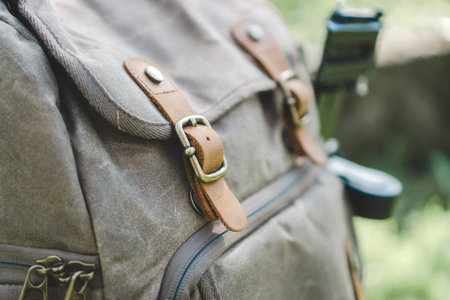
| Brass Fittings | Corrosion-resistant, strong, classic appearance | Buckles, rivets, closures; ensures reliable fastening even in harsh weather |
The Waxed Canvas Revolution
Waxed canvas stands as the backbone of many classic British backpacks. Developed by mariners and perfected by land explorers, this fabric offers water resistance without sacrificing breathability. As it ages, it tells a story—each scuff and mark a testament to countless miles walked across the British Isles. Unlike synthetic materials, waxed canvas can be reproofed, extending the life of a pack indefinitely with a bit of elbow grease and traditional know-how.
Bridle Leather: Strength Meets Elegance
No other leather quite matches bridle leather for sheer resilience. Originally designed for horse tack, it is painstakingly finished with waxes and oils, making it both robust and supple. On a British backpack, bridle leather is more than just good looks—it’s the foundation of load-bearing straps and reinforcements that don’t quit, even after years of daily use in unpredictable weather.
The Brass Standard
British makers have always understood that details matter. That’s why brass fittings are the go-to choice for buckles and rivets. They don’t rust in damp conditions and lend an unmistakable sense of heritage to every bag. It’s not just about tradition—it’s about function that stands the test of time.
In sum, these iconic materials—waxed canvas, bridle leather, and brass—are more than just components. They’re the very backbone of classic British backpacks, shaping their evolution and cementing their reputation as essential kit for anyone who values rugged dependability with a touch of understated style.

3. The Backpack in British School Life
For generations, the backpack has been more than just a functional accessory for British schoolchildren—it’s a cultural icon woven into the very fabric of youth and education. The journey began with the classic leather satchel, a staple of Victorian-era classrooms, prized for its durability and no-nonsense practicality. These satchels, often brown or black and secured with sturdy buckles, were seen swinging from the shoulders of pupils in blazers and knee-high socks, marking the transition from home to school each day.
As decades rolled on, evolving educational demands and changing lifestyles saw the satchel gradually give way to the rucksack. Nylon and canvas materials replaced heavy leather, making bags lighter yet still robust enough to withstand the rough-and-tumble world of British playgrounds. The shift wasn’t merely about comfort; it was about adaptability. Suddenly, backpacks featured multiple compartments for textbooks, packed lunches, muddy trainers, and even musical instruments—mirroring the increasingly busy schedules of modern students.
The backpacks status among British youth has always gone beyond utility. It’s a silent badge of identity: colours, patterns, football club logos, or patches stitched on by hand become expressions of personal style or allegiance. In the corridors of comprehensive schools and grammar academies alike, what you carried—and how you carried it—spoke volumes about who you were. Even today, debates rage over whether it’s cooler to sling your bag over one shoulder or both.
No matter how much technology advances or uniform policies change, the classic British backpack remains at the heart of school life. It’s there in rain-soaked commutes on double-decker buses, at exam halls filled with anxious teenagers rifling through pencil cases, and on summer afternoons when bags are tossed onto fields before a game of footie. Through every evolution—from battered leather satchels to sleek urban rucksacks—the backpack has endured as an indispensable companion for Britain’s youth.
4. Influence of the Outdoors and Adventure Culture
As Britain’s love affair with the outdoors took root in the early 20th century, particularly after the formation of groups like the Ramblers’ Association and the increased popularity of hiking, cycling, and rambling, the humble backpack underwent a significant transformation. The rugged British landscape, from the Lake District to the Scottish Highlands, demanded gear that could handle tough weather and unpredictable terrain. This necessity sparked innovation in backpack design, directly influenced by those who ventured out into nature.
Early British hikers and cyclists required rucksacks that were not only robust but also practical for long distances. Traditional canvas packs gave way to lighter, waterproof materials like waxed cotton and later nylon. Adjustable straps, reinforced seams, and additional pockets became standard features to accommodate maps, food supplies, and waterproofs. The British climate—unforgiving at best—meant that durability and weather resistance were paramount qualities in any pack worth its salt.
The Evolution Driven by Outdoor Pursuits
The table below highlights how distinct outdoor activities shaped backpack design and utility:
Activity |
Design Feature |
Purpose/Benefit |
|---|---|---|
Hiking & Rambling |
Padded shoulder straps, hip belts | Distributes weight for comfort over long distances |
Cycling |
Streamlined shapes, reflective patches | Reduces drag; improves visibility on country lanes |
Hillwalking/Mountaineering |
Waterproof compartments, ice axe loops | Keeps gear dry; secures specialist equipment for safety |
This spirit of innovation continues today, as British brands adapt classic designs to meet modern needs while still paying homage to their utilitarian roots. The influence of outdoor culture is indelibly stamped on every buckle, seam, and pocket found in a proper British backpack—a testament to generations of hardy adventurers who demanded more from their kit than just carrying capacity.
5. Contemporary Takes: From Heritage to High Street
The classic British backpack has proven its mettle over generations, but today’s landscape is anything but stagnant. Historic brands like Barbour, Mulberry, and Cambridge Satchel Company have not only safeguarded tradition but also injected fresh vitality into their designs. These legacy makers draw from a deep well of heritage—think waxed canvas, vegetable-tanned leathers, and unmistakable British hardware—while streamlining silhouettes for the modern commuter. Meanwhile, a new wave of designers is rising from London’s creative quarters, fusing retro inspiration with cutting-edge materials and streetwise sensibility. Collaborations between heritage houses and contemporary artists have yielded backpacks that straddle both the gentleman’s club and the city cycle lane. Whether it’s a rugged rucksack built for Lake District rambles or a minimalist pack that wouldn’t look out of place on the Tube, versatility is king. This blend of old-world craftsmanship and urban practicality means the British backpack remains as relevant as ever—adapted for laptops, gym kits, and weekend escapes alike. Ultimately, it’s this spirit of reinvention, rooted in respect for the past yet unafraid to embrace the future, that keeps the classic British backpack front and centre on Britain’s high streets.
6. The British Backpack Abroad
When it comes to rugged reliability and understated elegance, the British backpack stands as an enduring symbol on the global stage. The meticulous craftsmanship and durable materials rooted in British tradition have not only met the demands of the unpredictable British weather but have also found favour far beyond the Isles. From the bustling streets of Tokyo to the urban sprawl of New York, discerning adventurers and style connoisseurs alike have embraced the British backpack for its blend of form and function. What began as a practical solution for ramblers crossing moors or city commuters braving London drizzle has evolved into an international style statement. Renowned British brands, with their heritage waxed canvas, bridle leather trims, and time-tested brass fittings, have inspired both imitators and innovators worldwide. The influence can be spotted in the minimalist Scandinavian designs or robust American outdoor gear, all tipping their hats—knowingly or not—to the original British template. Yet, while others may borrow elements, its the authenticity and quiet confidence of a true British backpack that continues to set it apart. Whether slung over the shoulder of a Parisian creative or carried by a Cape Town explorer, the classic British backpack tells a story of resilience, adaptability, and timeless appeal—a testament to its roots and its reach.