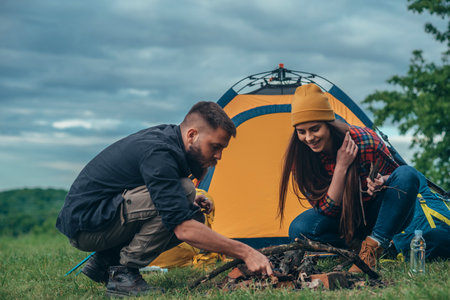
1. Understanding the Scottish Outdoor Access Code
For anyone yearning to experience Scotland’s rugged beauty through wild camping, it is vital to first understand the legal framework that makes this outdoor freedom possible. The Scottish Outdoor Access Code grants everyone the right to access most land and inland water, including for activities such as walking, cycling, and wild camping. However, these rights are balanced with responsibilities—respect for people, wildlife, and the land is at the heart of the Code.
Unlike other parts of the UK, Scotland’s laws allow for wild camping in many remote areas, provided you do so in a respectful and low-impact manner. This means pitching your tent on unenclosed land away from roads or buildings, staying only for a short period, and leaving no trace behind. It is essential to avoid disturbing livestock, crops, or nesting birds, and to keep noise to a minimum. Fires should be avoided unless absolutely necessary and always managed with utmost care.
The Code also encourages campers to plan ahead: know where you are allowed to camp, understand local restrictions (such as seasonal byelaws around Loch Lomond), and be mindful of private residences or working farms. Your access rights do not extend to motorised vehicles off-road—an important consideration when travelling without a car, as it shapes your journey from public transport hubs into wilder spaces on foot or by bike.
Wild camping in Scotland is not just a legal right; it’s a cherished cultural tradition built on mutual respect between visitors and locals. By embracing the principles of the Scottish Outdoor Access Code, you become part of a longstanding legacy—one that values both adventure and stewardship of this remarkable landscape.
Scotland’s Best Wild Camping Spots Reachable by Public Transport
Scotland’s wild and windswept beauty is not reserved solely for those with a car. If you’re travelling light and relying on trains, buses, or ferries, there are still countless breathtaking corners to pitch your tent and wake to birdsong and misty hills. The romance of wild camping is heightened by the journey—each train ride through glens, every ferry across lochs, brings you closer to a landscape that feels both ancient and alive.
Top Wild Camping Locations Accessible Without a Car
Here’s a curated selection of some of Scotland’s most beloved wild camping areas that you can reach via public transport. Whether you dream of lochside serenity or rugged mountain views, these spots capture the spirit of adventure and promise unforgettable nights beneath the stars.
| Location | Nearest Public Transport | Transport Tips | Highlights |
|---|---|---|---|
| Loch Lomond & The Trossachs National Park | Balloch (Train), Balmaha (Bus) | Take the train from Glasgow Queen Street to Balloch; local buses serve villages around the loch | Lochside views, woodland trails, accessible walks |
| Cairngorms National Park (Aviemore area) | Aviemore (Train, Bus) | Direct trains from Edinburgh/Glasgow; local buses to trailheads | Pine forests, mountain vistas, abundant wildlife |
| Isle of Arran | Brodick (Ferry from Ardrossan) | ScotRail train from Glasgow Central to Ardrossan Harbour, then ferry to Brodick | Dramatic coastlines, gentle glens, island charm |
| Knoydart Peninsula | Mallaig (Train), Inverie (Ferry) | West Highland Line train to Mallaig; foot passenger ferry to Inverie village | Remote wilderness, no roads in or out, peace and solitude |
| The West Highland Way (Milngavie start point) | Milngavie (Train) | Trains from Glasgow Queen Street to Milngavie; walk north along the trail | Moorlands, hilltop views, classic long-distance path |
Navigating Trains, Buses, and Ferries: Essential Tips
- Plan Ahead: Timetables can be seasonal or weather-dependent—check ScotRail, Citylink buses, and CalMac Ferries before setting off.
- Travel Light: Public transport means carrying all your kit. Opt for lightweight gear and pack efficiently.
- Tickets & Reservations: For popular routes or islands (especially during summer), book tickets in advance where possible.
Savouring the Journey: A Sensory Experience
The journey itself becomes part of your wild camping story—a slow unfurling of scenery from carriage windows or the salty tang of sea air as you cross to an island. Arriving without a car invites you to move at Scotland’s natural pace: feet on the earth, senses attuned to each subtle shift in light and breeze. Each night spent under canvas is a quiet celebration of freedom—proof that adventure needs nothing more than curiosity and an open heart.

3. Essential Packing and Preparation
When setting out for wild camping in Scotland without the convenience of a car, what you carry on your back becomes your lifeline. The Scottish landscape is breathtakingly raw, but also famously capricious; mist can sweep down glens in minutes, and a sunny morning may turn to wind-lashed rain by teatime. Smart, lightweight packing is not just a comfort—it’s a necessity.
Weatherproofing: Your Shield Against the Elements
The first rule of Scottish wild camping: expect the unexpected when it comes to weather. Pack a waterproof jacket and trousers—preferably breathable and light. A four-season tent, though potentially heavier, offers protection from both Highland winds and midges. Don’t forget a sleeping bag rated at least 0°C, as even summer nights can turn surprisingly chilly. Layer up with merino wool or synthetic base layers that dry quickly and keep you warm even when wet.
Footwear and Clothing: Ready for Every Terrain
With no car to stash spare gear, each piece must earn its place. Choose sturdy, broken-in hiking boots with good grip for boggy paths and rocky ascents. Gaiters are invaluable for keeping mud and water at bay, especially if you venture off the beaten track. Pack extra socks—dry feet are happy feet—and don’t underestimate the value of a beanie and gloves, even in June.
Kit Essentials for Public Transport Travellers
If you’re hopping trains or buses, every gram counts. Opt for a rucksack with comfortable straps and plenty of compartments. Compact cooking gear like a lightweight stove and titanium pot will serve you well; many Scottish campsites frown on open fires due to environmental concerns. Bring dehydrated meals or local oatcakes—Scottish staples that are light yet filling. Always carry a reusable water bottle and purification tablets; Scotland’s streams are clear but not always safe to drink from directly.
Navigational Tools and Safety
Don’t rely solely on your phone—the Highlands have notorious signal blackspots. Carry an Ordnance Survey map (Explorer series is best) and a reliable compass. A power bank keeps devices topped up, while a headtorch ensures you’ll never pitch camp by torchlight alone. For peace of mind, pack a basic first aid kit including midge repellent—a must in late spring through summer.
Packing with Respect: Leave No Trace
Scotland’s wild places deserve our care. Bring biodegradable soap, rubbish bags to pack out all waste, and remember that wild camping etiquette means pitching late and leaving early. By travelling lightly and thoughtfully, you’ll not only tread gently on the land—you’ll also experience Scotland’s wild heart in its truest form.
4. Navigating to Your Campsite: Routes and Map Tips
Embarking on a wild camping adventure in Scotland without the convenience of a car calls for a touch of old-school planning, paired with the wisdom of modern navigation. The Scottish Highlands and remote lochs are best discovered by those willing to journey off the beaten path, and reaching these havens safely requires thoughtful preparation.
Planning Your Journey
Begin your route planning by identifying key public transport links—Scotland’s rural bus and train networks connect surprisingly well with many trailheads and villages near popular wild camping areas. When mapping out your journey, check connections carefully, as rural services may run infrequently, particularly outside summer months. Allow ample time for transfers, and consider how your walking route will link up with the last bus or train stop. Local community websites and noticeboards often provide up-to-date travel advice that even seasoned guidebooks may miss.
Mastering Ordnance Survey Maps
The Ordnance Survey (OS) maps are an indispensable companion for every wild camper in Scotland. These detailed maps reveal not just footpaths and contours but also water sources, bothies, and even potential hazards like boggy ground. For most remote adventures, the OS Explorer (1:25 000) or Landranger (1:50 000) series are ideal. Learning to interpret these maps enhances both safety and the sense of connection to the landscape—spotting an ancient stone circle or secluded glen before you even set foot there is half the magic.
| Map Type | Scale | Best For |
|---|---|---|
| OS Explorer | 1:25 000 | Detailed trails, footpaths, wild camping spots |
| OS Landranger | 1:50 000 | Wider area overview, longer routes between settlements |
Navigation Apps & Digital Tools
If paper maps evoke timeless charm, digital navigation apps offer swift reassurance—especially when Scottish weather rolls in. Apps such as OS Maps (official), ViewRanger, or Komoot provide offline access to detailed mapping; they also allow you to pre-plan routes and mark waypoints. Many local councils have their own walking apps highlighting heritage trails or hidden paths frequented by locals. Always carry a power bank for your mobile device, as signal can be elusive in remote glens.
Recommended Navigation Apps for Scotland
| App Name | Main Features | Offline Capability |
|---|---|---|
| OS Maps | Official OS mapping, route planning, GPX import/export | Yes (with subscription) |
| ViewRanger / Outdooractive | User-shared routes, topo maps, live tracking | Yes (selected regions) |
| Komoot | Cycling & walking focused, easy route building, highlights spots of interest | Yes (for purchased regions) |
| Scottish Walking App (various councils) | Local trails, historical info, community tips | Varies by app |
Sensible Precautions Before Setting Out:
- Tell someone your intended route and estimated return time.
- Certain remote areas lack phone reception—carry a physical map and compass as backup.
- Pace yourself: Highland terrain can be more demanding than it appears on any map.
Navigating without a car is not only possible—it’s part of what makes wild camping in Scotland such an evocative escape. Whether following a meandering river valley or climbing into the mists above Glen Etive, let curiosity guide you but let preparedness keep you safe.
5. Staying Respectful: Leave No Trace in the Highlands and Beyond
To wild camp in Scotland without a car is to immerse yourself in landscapes where time feels suspended—mist-draped glens, mirror-still lochs, and ancient forests brimming with life. Yet, this privilege comes with a gentle responsibility: to ensure our presence leaves no trace, so these places remain wild and wondrous for all who follow.
Understanding the Heart of Leave No Trace
The Scottish Outdoor Access Code grants us generous rights to roam and wild camp, but it also asks us to tread lightly. Every footprint on mossy ground, every crackle of a campfire, can echo in these fragile ecosystems. In the Highlands especially, flora grows slowly, and even small disturbances can linger for decades.
Practical Ways to Show Respect
- Choose Your Spot Wisely: Pitch your tent on durable ground—short grass or bare earth—well away from homes, farmland, and footpaths. Avoid disturbing wildlife or rare plants by steering clear of delicate areas.
- Take All Litter Home: Even biodegradable items like orange peels or teabags disrupt local habitats. Always carry a rubbish bag and leave your campsite cleaner than you found it.
- Mind Sanitation: If nature calls, bury waste at least 30 metres from water sources using a trowel. Use biodegradable soap sparingly, if at all.
- No Trace Fires: Use a portable stove rather than open fires whenever possible. If you must make a fire, keep it small, use established spots, and remove all traces before leaving.
- Respect Local Life: Greet fellow walkers with a smile and respect privacy near crofts and farms. Keep noise to a minimum, especially after dusk when the Highlands settle into quietude.
Cherishing Community and Culture
The Scottish Highlands are not only wild spaces—they are living communities with deep-rooted traditions. Support local shops when resupplying, and seek permission if ever in doubt about camping close to inhabited land. A simple ‘hello’ or ‘thank you’ goes far in weaving respectful relationships between visitors and locals.
By embracing the spirit of leave no trace—gentle footsteps, thoughtful choices—we ensure that the raw beauty of Scotland’s wild places endures. For every sunrise mirrored on a silent loch, every star scattered above heathered hills, is a gift best treasured quietly, leaving only memories behind.
6. Safety, Weather, and Local Etiquette
Scotland’s wild expanses invite adventure, but safety should always be your steadfast companion. Before venturing into the highlands or along remote lochs, familiarise yourself with the essentials of outdoor safety. Always let someone know your intended route and expected return time; signal is unreliable in many wild places. Carry a map and compass (not just a phone), and equip yourself for rapidly changing conditions — Scotland’s weather is famously mercurial, sweeping from balmy sunshine to bracing rain within moments.
Reading the Scottish Skies
The ability to interpret local weather forecasts can make or break your wild camping experience. The Met Office provides detailed, region-specific updates, so check before you set out and continue to monitor when possible. Be prepared for cold winds even in summer, and remember that mist (the ‘haar’) can roll in suddenly, particularly near coastal or mountainous regions. Dress in layers, keep waterproofs to hand, and prioritise shelter that stands firm against gusty nights.
Respecting the Land and Its People
Wild camping thrives on mutual respect — both for Scotland’s natural beauty and its communities. Follow the Scottish Outdoor Access Code: pitch your tent away from buildings, roads, and cultivated land; leave no trace by carrying all litter out with you; avoid lighting open fires unless in an established fire site; and never disturb wildlife or livestock. When passing through crofts or farms, close gates behind you and greet locals with a friendly nod or ‘hello’ — it’s simple courtesy in these parts.
Embracing Local Customs
The Scottish spirit is warm and welcoming to those who tread lightly. Show consideration by keeping noise to a minimum after dark, sharing bothies respectfully if you find yourself sheltering indoors, and supporting local shops or cafés where possible. By blending mindfulness with a sense of adventure, you’ll forge deeper connections — not only with Scotland’s landscapes but also with those who call them home.