1. Introduction: Powering British Adventures
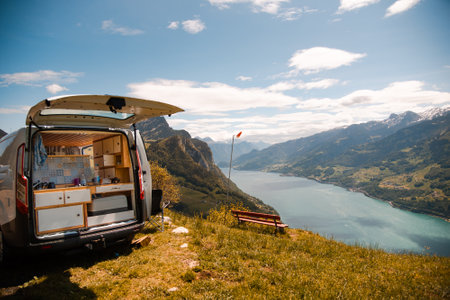
There’s a certain magic to setting off on a British camping adventure—a winding drive through the Lake District, the rolling greens of the Cotswolds, or waking to misty mornings beside a Scottish loch. For many, these escapes are all about reconnecting with nature, finding solace away from city bustle, and living simply under open skies. Yet, even in the wildest corners of Britain, modern campers often yearn for just a touch of comfort: a warm cup of tea brewed at dawn, fairy lights twinkling beneath an awning, or a phone charged for snapping memories. Reliable power is no longer a luxury but an essential companion on these off-grid journeys. With growing awareness of our environmental footprint, British campers increasingly seek eco-friendly solutions that tread lightly on the land they cherish. This raises an important question: when it comes to powering our countryside adventures, should we turn to solar panels or trust in traditional generators? Let’s explore which off-grid solution best suits the needs and spirit of the British camper.
2. How Do Solar and Traditional Generators Work?
When it comes to powering your off-grid adventures in the British countryside, understanding how solar panels and traditional petrol or diesel generators work is key to choosing your ideal companion. Both systems have their unique strengths and practicalities, especially when faced with the ever-changing UK weather.
Solar Panels: Harnessing Nature’s Quiet Power
Solar panels capture sunlight and convert it into electricity using photovoltaic cells. This process is silent, emission-free, and beautifully simple—just set up your panels in a sunny spot and let them soak in the rays. However, Britain’s famously unpredictable skies can be a challenge; solar output fluctuates on cloudy days or during the long twilight of Scottish evenings. Most campers pair their panels with batteries to store surplus energy for nighttime or overcast spells, making solar an appealingly eco-friendly but sometimes variable option.
Traditional Generators: Reliable Yet Noisy Companions
Petrol and diesel generators work by burning fuel to spin a motor, which then produces electricity. They are cherished for their reliability, delivering consistent power whatever the weather—ideal for keeping the kettle boiling through a rainstorm in the Lake District. Yet these stalwarts come with trade-offs: they’re heavier, noisier, emit fumes, and require regular refuelling. For some campers, their familiar hum is reassurance; for others, it breaks the tranquillity of wild camping under an open sky.
Quick Comparison: Practicality in UK Conditions
| Feature | Solar Panels | Petrol/Diesel Generators |
|---|---|---|
| Weather Dependency | High (less effective in cloud & rain) | Low (works in all conditions) |
| Noise Level | Silent | Loud |
| Environmental Impact | Minimal (no emissions) | Moderate-High (fuel emissions) |
| Maintenance | Low (occasional cleaning) | Moderate (refuel & servicing) |
| Setup Ease | Easy (portable & lightweight) | Heavier & bulkier |
| Running Cost | Free after initial investment | Ongoing fuel costs |
The choice between solar and traditional generators often comes down to balancing reliability against sustainability—and how much you want to immerse yourself in nature’s quiet embrace versus having dependable power at your fingertips during those inevitable rainy days.
3. Eco Impact: Sustainability in the British Outdoors
As more Britons seek solace in the wilds of Snowdonia, the Lake District, or the rugged Cornish coast, our collective conscience increasingly leans towards gentler footprints on the landscape. The environmental impact of our off-grid energy choices is no longer a mere afterthought—it’s at the very heart of how we camp. Solar power stands out as a beacon of sustainability: it harnesses the abundant daylight hours (even on those famously changeable British summer days) without emitting pollutants or noise. Panels quietly soak up the sun atop campervans or nestled beside tents, leaving only the soft whisper of the wind and birdsong in their wake.
In contrast, traditional petrol or diesel generators offer reliable power but at a cost to both air and peace. Their throaty hum can disturb not just fellow campers but also local wildlife, disrupting that sought-after sense of tranquillity. More critically, they release carbon emissions and require fossil fuels—resources we’re collectively trying to move away from as part of Britain’s commitment to climate action.
This shift isn’t just about technology; it reflects a broader movement among UK campers who cherish both adventure and stewardship. Across campsites from Devon to Dumfries, you’ll hear conversations about rewilding, carbon footprints, and “leaving no trace” echoing around evening campfires. With every solar panel unfurled beneath the changing British sky, there’s a small but meaningful step towards a greener camping tradition—one that sustains the landscapes we love for generations yet to come.
4. Costs and Convenience: What Suits the British Camper?
For many British campers, the question of choosing between solar and traditional generators often comes down to a blend of budget, practicality, and the quirks of camping in the UK’s diverse landscapes. Each solution carries its own set of financial considerations, everyday conveniences, and compatibility with local camping habits and regulations.
Upfront Investments
Solar generators typically require a larger initial outlay. Quality portable solar panels and battery packs designed for off-grid use can be an investment, but prices have become more accessible in recent years. Traditional petrol or diesel generators are often cheaper to purchase upfront, though premium models that comply with noise and emission standards may cost more.
Cost Comparison Table
| Solar Generator | Traditional Generator | |
|---|---|---|
| Initial Purchase Cost | £400–£1,500+ | £150–£800+ |
| Running Costs | Minimal (sunlight is free) | Ongoing fuel expenses |
| Maintenance | Occasional cleaning/checks | Regular servicing, oil/fuel changes |
| Lifespan | 5–15 years (battery dependent) | 5–10 years (engine dependent) |
Portability & Everyday Use
The British love of spontaneous weekend getaways and remote wild camping means portability is key. Solar kits can be light, folding neatly into rucksacks or car boots—perfect for those winding Lake District lanes or Cornish cliffs. Traditional generators tend to be heavier and bulkier, sometimes requiring trolleys or extra hands, which doesn’t always suit small cars or solo adventurers.
Convenience in the Field
- Solar: Silent, set-and-forget charging; no worries about running out of fuel; works best in open fields or coastal sites with good sun exposure.
- Traditional: Reliable power regardless of weather; quick refuelling; but noisy operation can disturb the tranquillity of nature and nearby campers.
Maintenance & Regulations
Caring for a solar generator involves little more than keeping panels clean and occasionally checking battery health—ideal for casual campers who’d rather spend time walking footpaths than tinkering with machinery. In contrast, traditional generators need regular maintenance: oil changes, spark plug checks, and safe fuel storage. Additionally, UK campsites increasingly enforce strict noise curfews and low-emission policies—solar options glide effortlessly under these rules, while petrol generators may face restrictions or outright bans at popular beauty spots.
A Reflection on British Camping Habits
The rhythm of British camping is shaped by gentle mornings with birdsong, leisurely cups of tea at dawn misted lakesides, and evenings spent beneath ancient oaks. For those who seek simplicity and minimal fuss, solar power aligns with a desire to preserve peace and blend seamlessly into the landscape. Yet for groups running multiple appliances or staying where sunshine is rare as a Highland summer’s day, the reassuring hum of a traditional generator still holds a certain appeal.
5. Weather Matters: Performance Across the UK’s Seasons
Britain’s weather is nothing if not unpredictable—a single day can swing from golden rays to sudden downpours, with a bracing breeze never too far away. For campers venturing off-grid, understanding how both solar and traditional generators perform across this ever-shifting backdrop is essential.
Imagine pitching your tent in the Lake District: dawn brings a soft mist over the fells, followed by patches of sun peeking through drifting clouds. In these moments, a solar setup quietly soaks up every available photon, humming with possibility. Yet, as clouds thicken and rain begins its gentle percussion on canvas, solar panels struggle—output drops significantly, sometimes leaving you rationing device charges or that much-needed hot brew.
Contrast this with a petrol or diesel generator. The skies might be brooding and sodden, but your energy supply remains steady and predictable—provided you’ve packed enough fuel and don’t mind the occasional whiff of exhaust mingling with the scent of wet grass. Traditional generators come into their own during prolonged stretches of grey weather—think of late autumn in Northumberland or a blustery Cornish spring—offering reassurance when sunlight is scarce.
However, there’s more to consider than just rainfall. British summers can surprise with long daylight hours; in Scotland’s Highlands at midsummer, solar panels bask for up to eighteen hours a day, often providing ample power for lights, fridges, and even the luxury of a well-charged camera to capture sunset over lochs. Traditional generators, while reliable whatever the weather, lack this gentle synergy with nature—and their constant drone can disrupt the peace of wild camping spots where silence is part of the magic.
Real-life tales abound: some campers recount how their solar kit powered them effortlessly through a week in Devon’s June sunshine; others describe huddling under tarps in Wales as cloud cover forced them to fire up the old generator for warmth and light. Ultimately, Britain’s climate rewards those who plan ahead—blending solar with a backup generator ensures you’re never caught short, no matter what mood the weather gods decide upon next.
6. Peace, Quiet, and Wild Camping Etiquette
For many British campers, the call of the countryside is a gentle one: mist rising over Lake District tarns, the hush of ancient woodlands in Cornwall, or a dawn chorus echoing across the wilds of the Scottish Highlands. This longing for peace and quiet is at the heart of our camping culture—a culture shaped by respect for nature, fellow campers, and that treasured sense of tranquillity only found far from the city’s clamour.
Here, the choice between solar and traditional generators becomes more than technical; it touches on etiquette and the shared values of those who seek solace outdoors. Traditional petrol or diesel generators, with their persistent drone and acrid exhaust, can swiftly shatter this serenity. Even on a breezy day, their noise cuts through birdsong and unsettles both wildlife and neighbours across even the most spacious pitches.
By contrast, solar power brings a near-silent revolution to off-grid living. With no moving parts or fumes, solar panels harvest energy quietly—leaving only the gentle rustle of leaves and your own footsteps as soundtrack. For wild campers who cherish low-impact adventures, this aligns beautifully with Leave No Trace principles. There’s an unspoken understanding among British campers: we tread lightly so others might enjoy nature’s full embrace after us.
In fact, many UK campsites—especially those in National Parks or Areas of Outstanding Natural Beauty—now encourage or even require campers to avoid noisy generators altogether. This reflects not just environmental policy but a deep-rooted appreciation for peaceful nights beneath a star-dusted sky, undisturbed by anything but perhaps an inquisitive fox or distant owl.
Ultimately, if you’re drawn to Britain’s wild places for their hush and healing beauty, solar power supports your desire to blend in quietly—becoming part of the landscape rather than an intrusion upon it. The result? More harmonious campsites where respect for both people and place prevails.
7. Which Solution Shines? A British Perspective
When it comes to choosing between solar power and traditional generators for your next UK camping escape, the answer is rarely black and white. Our weather—ever capricious, sometimes sun-drenched but often misty or rain-soaked—plays a starring role in this decision. Solar panels, with their quiet charm and gentle environmental footprint, shine brightest on long summer days in the Lake District or Cornish coast, where light lingers late into the evening. They whisper of slow mornings by the tent, a kettle singing gently as dawn breaks over rolling green hills. Yet, as any seasoned British camper knows, our beloved isles are prone to swift showers and cloudy interludes that can sap solar’s strength just when you need a warm brew or a torchlight glow most. Here, traditional generators step in—robust, reliable, and ready to deliver power whatever the forecast. They carry the comforting hum of certainty, ensuring your gadgets stay charged and your evenings well-lit even as rain taps on canvas overhead. For many campers, the ideal approach may be hybrid: harnessing solar’s clean energy when nature allows, with a generator standing by for those classic British downpours or extended stays off-grid. Ultimately, your choice should balance personal adventure style with practical realities: assess your typical destinations’ sunlight hours, consider how much power you truly need for creature comforts, and weigh up noise tolerance against the serenity of wild places. With a thoughtful blend of tradition and innovation—much like Britain itself—you’ll find an off-grid solution that lets you savour every moment under open skies.