1. Introduction to Improvised Cooking Tools
When you’re out in the wilds of the British countryside—whether it’s the windswept fells of the Lake District, the ancient woodlands of Sussex, or the rugged Scottish Highlands—relying solely on a traditional camping stove isn’t always an option. Kit can fail, fuel can run out, and sometimes, you want to travel light or keep your approach as low-impact as possible. In these moments, bushcraft cookery comes into its own: it’s about embracing resourcefulness, using what nature provides, and adapting classic survival skills to our unique UK landscapes. The British outdoors demands a blend of ingenuity and respect for local conditions—damp weather, variable winds, and a patchwork of legal restrictions all shape how we prepare meals off-grid. That’s where improvised cooking tools step in. Whether you’re fashioning a pot stand from green hazel branches or converting a discarded tin into a makeshift oven, these solutions are born from necessity and honed by practice. This article dives deep into the art of stove-free bushcraft cookery on British soil—giving you practical know-how to eat well when gas canisters are nowhere to be seen.
2. Sourcing Local Materials: What the British Outdoors Offers
When you’re deep in the British countryside, far from the comfort of a modern stove, your survival depends on your ability to adapt and improvise. Bushcraft cooking tools aren’t conjured out of thin air—they’re forged from the very landscape around you. The UK’s varied outdoor environments, from ancient woodlands to rugged moorlands, offer a wealth of resources for those who know where to look and how to use them. Below, we’ll break down some of the most reliable materials and what they’re good for when it comes to crafting impromptu cooking gear.
Greenwood: The Backbone of Improvised Tools
British woodlands are rich with tree species perfect for tool-making. Young, flexible greenwood—branches freshly cut from living trees—can be shaped into everything from pot hangers to makeshift skewers and tongs. Hazel, willow, birch, and ash are particularly abundant and easy to work with due to their pliability and strength. Always remember: only take what you need and avoid damaging old or rare specimens.
Common Greenwood Uses
| Tree Species | Typical Use |
|---|---|
| Hazel | Skewers, frames, pot hangers |
| Willow | Tongs, tripod legs, weaving baskets |
| Birch | Flat spatulas, fire kindling |
| Ash | Spoons, handles |
Moorland Stones: Nature’s Cooking Surfaces
The moors of Britain are scattered with stones that can serve as griddles or heat retainers. Granite and slate are excellent choices—they don’t crack easily with heat and provide a flat surface for frying or baking bannocks. Avoid flint or limestone near fire; these can explode when heated.
Stone Selection Guide
| Stone Type | Best For |
|---|---|
| Granite | Baking bread, grilling meat |
| Slate | Pancakes, flatbreads |
Seasonal Finds: Nature’s Toolbox Through the Year
The British outdoors changes dramatically with the seasons—and so do your options for improvising cooking tools. In spring and summer, wild garlic leaves make effective wrappers for steaming food over embers. Autumn brings an abundance of fallen sticks perfect for roasting or stirring. Even bracken fronds (in moderation) can be woven into mats or baskets for holding hot stones or cooked food.
Key Seasonal Materials
| Season | Main Resource | Bushcraft Use |
|---|---|---|
| Spring/Summer | Wild garlic leaves | Food wraps/steamers |
| Autumn | Dropped branches/twigs | Kebabs, utensils |
| Year-round (with care) | Moss & bracken fronds | Baskets, insulating mats |
Tapping into these native resources is more than just practical—it connects you to centuries of British outdoor tradition. With sharp eyes and a bit of know-how, the land itself provides everything you need to cook up a proper meal—no fancy kit required.
3. Crafting Bush Pots and Makeshift Kettles
When you’re out in the wilds of the British countryside, a reliable pot or kettle can make all the difference between a cold supper and a hearty brew. Lacking manufactured gear is no excuse; British bushcraft tradition is steeped in resourcefulness, and our landscapes are full of potential materials. Start by seeking durable green wood—hazel, willow, and birch are ideal choices due to their resilience and minimal toxicity when heated. For a simple bush pot, strip flexible bark from a freshly felled sapling, shape it into a cylinder, and secure the seam with sharpened green twigs or even natural cordage. Seal minor gaps with clay from riverbanks for added waterproofing—a nod to classic techniques practised by generations of woodsmen across Britain.
If you need to boil water but lack a metal vessel, consider crafting a makeshift kettle from clay if you’re near a water source. Dig out sticky blue-grey clay, work it until pliable, then fashion a bowl with thick walls. Air-dry your handiwork before firing it beneath hot embers. Once hardened, this primitive kettle will handle boiling duties in a pinch.
Alternatively, hot stone boiling is a time-honoured solution on moors and woodland alike. Hollow out a section of hardwood log using embers or carve a depression in thick bark. Fill it with water and drop in fire-heated stones—granite or flint work best—cycling them to maintain boiling temperature without splitting your vessel.
In every scenario, remember safety: avoid woods like yew or laburnum which are toxic, and never use resinous pines for direct cooking vessels as they taint food and burn unpredictably. With these traditional methods, you’ll not only secure a decent cup of tea but also honour centuries of British outdoor ingenuity.
4. Constructing Efficient Fire Pits and Cooking Platforms
When braving the unpredictable British outdoors, a reliable fire pit or cooking platform is essential for safe and effective bushcraft cookery. The UK’s varied landscapes—from the stony moors of Yorkshire to the wooded glens of Scotland—offer unique resources for improvising stable, heat-efficient cooking zones without modern stoves. Here’s how you can construct robust fire pits and platforms using local materials while adhering to Leave No Trace principles.
Assessing Your Location
Begin by choosing a site sheltered from prevailing winds but far enough from overhanging branches and dry bracken to avoid unintentional wildfires. Flat, bare earth or existing clearings are ideal. Avoid peat bogs or mossy ground, which can smoulder underground and reignite later.
Building a Traditional British Fire Pit
Materials Needed
- Stones (roughly fist-sized, non-porous if possible)
- Sod or turf (to restore area after use)
- Shovel or sturdy stick
Step-by-Step Instructions
- Clear a Circle: Remove grass and debris in a 1-metre diameter circle down to mineral soil.
- Dig a Shallow Pit: Excavate a depression about 15 cm deep; this helps contain embers and shields the flame from wind gusts.
- Create a Stone Ring: Arrange stones around the edge to reflect heat inward and stabilise cookware.
- Add Drainage (if wet): Place gravel or small stones at the base to prevent waterlogging.
Improvised Cooking Platforms Using Natural Materials
If you’re not keen on direct ground fires, elevate your cooking using found materials. Here’s a comparison of common British bushcraft solutions:
| Platform Type | Materials Needed | Best Terrain | Advantages |
|---|---|---|---|
| Stone Slab Grill | Flat rocks or slate | Lakeland fells, Peak District quarries | No metal needed, easy cleanup, retains heat well |
| Greenwood Tripod & Pot Hanger | Fresh-cut hazel, willow, or ash rods, cordage/vines | Mature woodlands, riverbanks | Keeps pots above flames, adjustable height, minimal ground impact |
| Sod Platform (“Turf Table”) | Sod blocks cut with spade, supporting stones/branches | Moorland with dense turf layer | Easily returned to original state, reduces scorch marks on land |
Managing Heat Safely and Effectively
- Avoid excessive fire size; a compact fire conserves fuel and is easier to control.
- Stack extra stones behind the pit as windbreaks or reflectors for efficient heat use.
- If using wood for supports, ensure it’s green (fresh) to prevent burning through during use.
- Keep water or damp earth nearby for emergency extinguishing.
- After use, replace sod and scatter unused stones to restore the site.
Bushcraft Tip:
The best improvised cooking areas balance efficiency with respect for Britain’s wild spaces. Use what nature provides—but always leave your camp as wild as you found it.
5. Improvised Grills, Spits, and Toasters
When traversing the British countryside, a lack of conventional cooking gear is never an excuse for bland or cold meals. With a keen eye for natural resources and a pinch of ingenuity, you can craft reliable grills, spits, and toasters from materials scattered across the landscape. Here’s how to engineer these essential bushcraft cooking implements using only sticks, wire, and what the land provides.
Improvised Grills: The Woodland Way
The backbone of any outdoor feast is a solid grill. Look for green wood branches—hazel, willow, or ash are abundant in Britain and ideal for resisting burning. Select straight lengths about the thickness of your thumb. Lay several side-by-side across two forked supports driven into the ground over your fire pit. If available, twist some found wire (old fencing wire or coat hangers left behind at campsites) to bind the ends together for extra stability. The result is a robust surface perfect for resting tin mugs, frying pans, or even grilling rashers and mushrooms direct over the coals.
Bushcraft Spits: Roasting with Tradition
For roasting sausages, trout, or even a plump pigeon, nothing beats a spit fashioned from nature’s own materials. Cut a sturdy branch (again, green wood is best) slightly longer than your fire width. Sharpen both ends; drive one into the earth as an upright support, and use another forked stick on the opposite side to act as a rest. Skewer your food lengthwise and slowly rotate it over hot embers. For added control, notch the spit so it doesn’t roll or slip out of place—a classic trick used by generations of wild campers across the British Isles.
Bread Toasters: Field-Baked Perfection
A slice of fresh bread toasted over an open flame is hard to beat after a long trek through moorland or forest. To make a rustic toaster, shape several thin sticks into a ‘ladder’ frame using green twigs lashed together with wet grass or found string. Prop this frame at an angle beside your campfire so the radiant heat crisps your bread without scorching it. Alternatively, thread bread onto a sharpened stick and hold it gently near the embers—just as our forebears did while sheltering beneath ancient oaks.
Safety & Sustainability Tips
Always select live wood from common species that regenerate quickly—avoid rare or protected trees like yew or elm. Before leaving camp, dismantle all makeshift equipment and scatter remains to minimise your impact on the environment. Carry out any metal wire you’ve used; never leave it behind where livestock or wildlife might get snared.
Mastery Through Practice
The art of improvising cooking tools in the British outdoors isn’t just about survival—it’s about connecting with tradition and making do with what nature offers. With patience and creativity, you’ll soon be whipping up proper bush meals that would make any old rambler proud.
6. Safety, Legality, and Leave No Trace Principles
When practising bushcraft cooking in the British outdoors, it’s crucial to balance resourcefulness with responsibility. Unlike some countries with vast wilderness areas, the UK has strict regulations governing fire use and environmental stewardship, particularly on popular walking routes like the South Downs Way or wild sites in Scotland’s Cairngorms.
Open Fire Laws in the UK
Open fires are generally prohibited on open access land across England and Wales under the Countryside and Rights of Way Act 2000 unless you have explicit landowner permission. In Scotland, thanks to the Land Reform (Scotland) Act 2003, responsible access includes cooking on small campfires—but even here, you must follow the Scottish Outdoor Access Code. National Parks and most woodlands managed by Forestry England or local councils almost universally ban open ground fires due to wildfire risk. Always check site-specific signage or consult land managers before lighting anything more than a gas stove.
Responsible Use of Improvised Tools
Improvised grills or makeshift pot hangers are ingenious but must be handled safely. Keep cutting tools sharp and use controlled motions; a slip with your folding saw or bushcraft knife can turn a weekend feast into an A&E visit. If fashioning tools from fallen wood, avoid damaging living trees—a criminal offence under several UK by-laws and a sure way to raise local ire.
Minimising Environmental Impact After Cooking
Leave No Trace principles are non-negotiable for any bushcrafter worth their salt. After using hot rocks, trench ovens, or stick tripods, scatter unused materials back into the undergrowth to blend with the environment. Douse all embers thoroughly—use water rather than earth if possible—and never leave scorch marks or food waste behind. If you’ve cleared turf for a fire pit (where permitted), carefully replace it so future hikers would never know you’d been there. A mindful approach not only protects nature but ensures that wild cooking remains tolerated by landowners and authorities across Britain’s green spaces.
7. Signature British Bush Meals Without a Stove
When you’re out in the wilds of the UK, far from the comforts of a home kitchen or even a camp stove, you can still enjoy classic British fare with a bit of ingenuity and some improvised cooking tools. Let’s break down how to adapt iconic meals for bushcraft, proving that you don’t need gas or electricity to eat like a king in the countryside.
Improvised Tools: Getting Creative with What’s at Hand
Bushcraft is all about resourcefulness. Instead of pots and pans, think about using flat stones as griddles, greenwood sticks for skewers, or even clay to encase food for baking in hot embers. A sturdy knife and a good fire are your primary assets—everything else is up to your imagination.
Bushcraft Bacon Butties
The humble bacon butty is a staple on any British menu. In the outdoors, use a flat, clean stone placed over embers as your makeshift frying pan. Lay rashers of bacon directly on the heated stone, flipping with a stick or forked branch. Once crispy, sandwich them between slices of crusty bread toasted on the same stone. A mug of tea brewed over the fire rounds off this hearty breakfast.
Cornish Pasty in the Coals
No oven? No problem. Mix flour, water, and a pinch of salt to form a simple dough. Roll it out with a bottle or stick, then fill with diced potatoes, onions, and whatever protein you have—rabbit, foraged mushrooms, or tinned meat work well. Fold into a pasty shape and wrap in broad leaves or a layer of clay. Bury it in hot coals and let it bake until cooked through—the result is a rustic take on the Cornish classic.
Bangers on a Stick
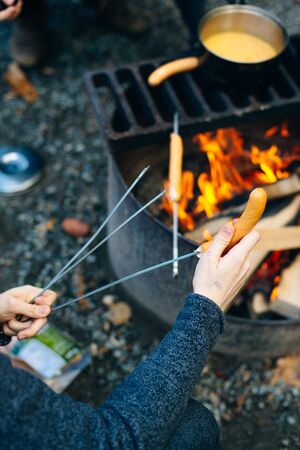
Sausages (bangers) are ideal for bushcraft because they cook quickly and pack plenty of flavour. Skewer them onto freshly cut greenwood sticks and roast them over open flames until sizzling and golden brown. Serve with foraged wild garlic leaves or wild mustard for an authentic twist.
Vegetarian Option: Stinging Nettle Soup
Nettles are abundant throughout Britain in spring and early summer. Boil water in a metal mug or tin can suspended over your fire, then add washed nettle tops (use gloves!), chopped wild leeks, and seasoning if available. Simmer until tender—this soup is full of nutrients and keeps you warm when the weather turns foul.
Hearty Eats, No Kit Required
The British outdoors isn’t just about survival—it’s about making do and thriving with what nature offers. With some creative thinking and basic bushcraft skills, you can transform local ingredients into meals that would make any rambler proud. Improvised tools aren’t just substitutes; they’re an invitation to connect deeper with the landscape while enjoying time-honoured British flavours by the fireside.