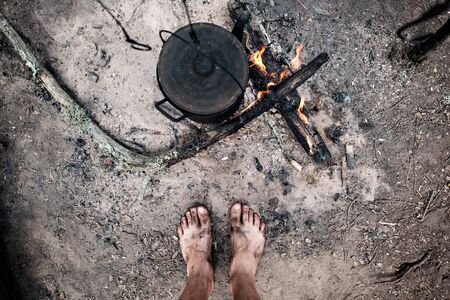
Introduction: The Art of Footwear for British Campsites
Imagine waking to the gentle patter of rain on canvas, the scent of dew on wild grasses, and the distant bleat of sheep wandering through rolling green fields. This is camping in Britain—a harmonious dance with nature, where riverside pitches and undulating meadows promise tranquillity but also guarantee one thing: mud, glorious mud. From the Lake District’s misty mornings to the wild coastlines of Cornwall, every camper soon learns that what you wear on your feet can make or break your adventure. The right footwear is more than a practical choice; it’s an expression of comfort and style, a bridge between embracing the elements and keeping your toes dry and spirits high. In this landscape where weather changes in the blink of an eye, selecting shoes that balance protection, personality, and practicality becomes an art form—one that every British camper perfects with time.
2. Quintessential Wellies: The Muddy Companion
There is perhaps no greater symbol of British campsite culture than the humble wellington boot. Affectionately known as “wellies,” these rubber stalwarts have trudged through generations of festivals, woodland rambles, and, of course, the ever-present British mud. Their heritage stretches back to the early 19th century—named after the Duke of Wellington himself—yet their practicality remains timeless. When the morning mist clings to the grass and puddles gather at your tent flap, wellies are always waiting by the entrance, ready to shield your feet from sogginess and chill. For every camper, they’re more than just footwear; they’re a ritual—an unspoken nod to our shared battle against drizzle and dew. Whether you’re making a tea run or trekking to the loo block, wellies keep spirits undampened and toes dry. Let’s look at what makes them so enduring:
| Feature | Why It Matters |
|---|---|
| Waterproof Construction | Essential for muddy fields and sudden downpours |
| Easy-to-Clean Surface | Mud wipes off in seconds—no fuss |
| Tall Design | Keeps splashes and puddles at bay |
| Variety of Colours & Patterns | Adds a touch of personal flair to practical wear |
This unique blend of heritage and function ensures that, whatever the forecast, wellies will always be found drying outside tents across Britain—our beloved companions in all weathers.

3. Trusty Walking Boots: For Ramblers and Explorers
When it comes to British camping, weatherproof walking boots are nothing short of essential—a loyal companion for both seasoned ramblers and spontaneous weekend explorers. The unpredictable British skies, with their sudden downpours and lingering morning mists, demand footwear that is as resilient as the spirit of those who wander its green heartlands. Whether you’re tracing a gentle woodland path in the Cotswolds or tackling the windswept ridges of the Lake District, a pair of sturdy boots grounds each step in comfort and assurance.
Walking boots designed for the UK’s ever-changeable climate typically feature waterproof membranes—think Gore-Tex or eVent—and durable leather or synthetic uppers. These keep feet dry when puddles gather under ancient oaks or rain slicks slate trails, while rugged soles grip onto muddy footpaths and slippery stones. The subtle pleasure of walking through dewy grass at dawn, feeling protected yet close to the earth, is an experience many British campers cherish.
But it’s not just about practicality; there’s a gentle romance in lacing up your boots by the tent flap, steam from your morning cuppa curling into cool air. The boots become storytellers, bearing traces of heather and bracken from past adventures. In a land where weather often shapes the day’s plans, choosing reliable walking boots means embracing every possibility—from leisurely ambles beneath cathedral-like canopies to ambitious hikes rewarded by panoramic views over rolling moors.
4. Casual Alternatives: Sandals, Trainers, and Cosy Slip-ons
Not every moment at a British campsite calls for the sturdy embrace of wellies or the steadfast support of hiking boots. There are golden hours—those dry afternoons when the sun finally breaks through the clouds and the ground feels forgiving underfoot—where lighter footwear comes into its own. After a long ramble across sodden fields or an invigorating trek up misty hills, there’s something rather delightful about slipping into sandals, trainers, or snug slip-ons for a touch of leisure and freedom.
Yet, choosing these more casual options is all about balance. While practicality is essential in the unpredictable British outdoors, comfort and relaxation play their part once you return to camp. When the weather allows, or when you’re simply pottering about your tent with a mug of tea in hand, letting your feet breathe can feel like a small luxury. Trainers offer versatility and cushion for wandering around the site, while sandals—be they classic Birkenstocks or simple sliders—are perfect for those rare stretches of warmth. Meanwhile, cosy slip-ons, whether lined with fleece or fashioned from felt, promise warmth as evening falls and the temperature dips.
| Footwear Type | Best Conditions | Pros | Cons |
|---|---|---|---|
| Sandals | Dry, warm afternoons | Breathable, easy to put on/off | No protection against mud or cold |
| Trainers | Mild, dry weather; light activity | Comfortable, versatile | Can get soggy quickly if it rains |
| Cosy Slip-ons | Around camp in the evening | Warmth and comfort | Not suitable for wet ground |
The trick is to keep these lighter shoes handy but not rely on them exclusively. Tuck them by your tent door for easy access after peeling off heavier boots, or stash them in your rucksack if you fancy swapping shoes after a walk. In true British fashion, it’s always wise to check the forecast before casting aside your waterproofs—even for a few blissful moments of barefoot ease.
5. Navigating the Elements: Weather and Ground Considerations
When it comes to camping in the British countryside, nothing is quite as changeable—or as charmingly unpredictable—as the weather. One moment you’re basking in gentle sunshine, and the next, a curtain of misty rain rolls across the fields. Understanding how to read these meteorological whims is essential for choosing the right footwear, ensuring your feet stay dry, warm, and ready for adventure.
Decoding the British Forecast
The classic British forecast often reads: “sunny spells and scattered showers.” This poetic ambiguity means campers must prepare for everything from dew-kissed mornings to sudden downpours. Before setting out, check local weather apps that provide up-to-date radar images; but even then, always expect the unexpected. When dark clouds gather on the horizon or a fresh breeze picks up, you’ll be glad for wellies or waterproof boots at hand.
The Lay of the Land: Local Terrain
British campsites offer a tapestry of terrains—from soft meadows to mossy woodland floors, gravel tracks to muddy riverbanks. Each landscape brings its own challenges. In low-lying areas or near water, ground can quickly become saturated after even a brief shower. Upland sites may be better drained but are often exposed to wind and passing squalls. Think carefully about where you’ll pitch your tent and plan your footwear accordingly.
Puddles, Wet Grass & Sudden Showers
Walking across lush green grass in the morning can leave shoes sodden with dew before breakfast is even served. Puddles form easily in rutted paths, and sudden rain can turn once-firm ground into a patchwork of sticky mud. For these reasons, wellies remain a quintessentially British camping companion—offering not just dryness but also a certain playful elegance when splashing through puddles or navigating marshy corners of the site.
Choosing Footwear with Foresight
Ultimately, reading both sky and soil shapes your campsite footwear choices. If rain is on the cards or if your chosen spot tends towards boggy underfoot conditions, opt for sturdy wellies or waterproof hiking boots with good grip. On drier days or well-drained pitches, lighter trail shoes may suffice—but always keep a pair of trusty wellies nearby for those inevitable moments when Britain’s weather makes itself known in all its unpredictable glory.
6. Aesthetic and Practical Tips: Caring for Your Campsite Footwear
In the British countryside, where rain showers and muddy paths are as much a part of camping as the campfire itself, taking care of your boots and wellies becomes both an art and a ritual. There’s a quiet satisfaction in returning to your tent after a long walk, peeling off your muddied footwear, and knowing just how to restore them for another day amidst rolling green hills.
Mud Removal Rituals
Start with the essentials—never let mud dry on your boots or wellingtons. As soon as you return to camp, take a soft brush or an old cloth and gently scrub away any clinging earth. If you’re near a stream, let the water help; if not, a simple bottle of water will do the trick. This small act not only keeps your footwear looking smart but also prevents the leather or rubber from cracking under layers of caked-on soil.
Airing Out by the Fire
After cleaning, resist the urge to place your boots too close to the flames. Instead, set them nearby where gentle warmth can draw out moisture without warping or damaging the material. Take out insoles and loosen laces so every part can breathe—an old British trick for keeping odours at bay and ensuring comfort on tomorrow’s ramble.
Simple Habits for Longevity
Keep a small tin of wax or conditioner on hand for leather boots; a quick polish adds both shine and weather resistance. For wellies, wipe them down with a damp cloth and occasionally treat them with a bit of olive oil or specialist spray to maintain their supple sheen. Always store your footwear upright—wellies look rather cheerful lined up outside your tent—and stuff them with newspaper overnight to absorb lingering dampness.
By weaving these simple habits into your camping routine, you’ll not only preserve the life of your favourite walking companions but also bring a touch of everyday beauty to the muddy magic of British outdoor living.
7. Conclusion: Footwear that Feels Like Home
As the campfire’s last embers fade and the gentle hush of dusk settles across the British countryside, our thoughts return to the footwear that has quietly carried us through each cherished camping moment. In Britain, where rain is a faithful companion and muddy paths are as familiar as a favourite mug of tea, wellies and boots become more than just practical choices—they are woven into the very poetry of outdoor living. There’s something almost lyrical about the sound of wellies splashing through puddles, or the way morning dew beads on worn leather as we step out of our tents at dawn. The right pair of boots or wellies offers not only protection from the capricious British weather but also a sense of belonging; they ground us in tradition and memory, echoing childhood adventures and windswept weekends spent with loved ones under canvas skies. To choose campsite footwear in Britain is to embrace both comfort and character—to select soles that carry stories, hold warmth, and invite us to savour every squelch, crunch, and sigh beneath our feet. In the end, it’s not just about staying dry or mud-free; it’s about finding footwear that feels like home, wherever our camping journeys may lead.